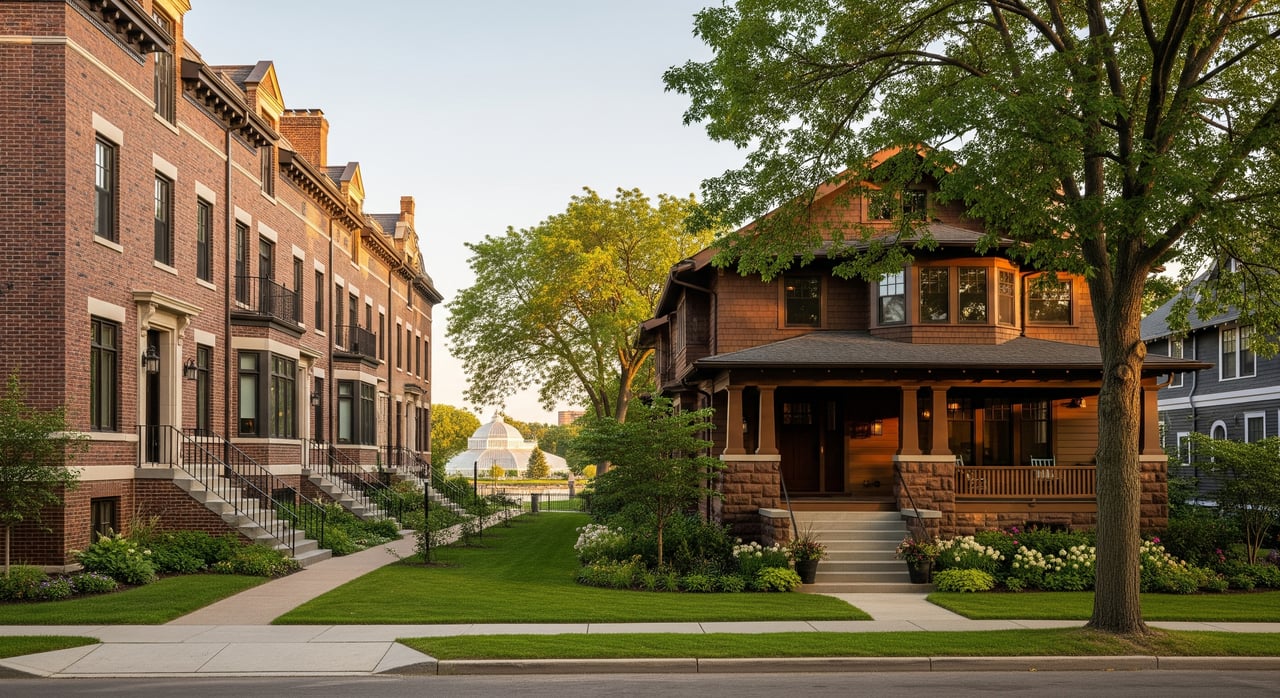
Wondering whether a townhome or a single-family house in Como Park fits you best? You are not alone. With the lake, trails, and year-round amenities close by, both options can work well depending on your lifestyle, budget, and tolerance for maintenance. This guide breaks down the key differences so you can decide with confidence. Let’s dive in.
Como Park living at a glance
Como Park centers around Lake Como and Como Regional Park, with the zoo, conservatory, paths, and playgrounds shaping daily life. Many blocks have convenient access to small retail and services along Como Avenue and Snelling Avenue, plus multiple bus routes and the A Line BRT on Snelling. Commutes to downtown Saint Paul are typically short, and connections to Minneapolis and the broader Twin Cities are straightforward.
Cost: purchase and monthly expenses
Townhomes and condos in Como Park often offer a lower entry price than detached houses, though block-level factors and finishes can swing values. Newer infill townhomes with modern features and parking can command a premium. Detached homes range widely by age, size, and condition, especially among early 20th-century bungalows and foursquares.
Monthly expenses differ. Townhome owners pay HOA dues that usually cover some exterior work, lawn and snow care, common insurance, and reserves. House owners skip HOA dues but take on all exterior costs, which can vary more year to year.
Both ownership types pay Ramsey County property taxes based on assessed value. The exact amount depends on the property, so it pays to review tax histories and assessments during your due diligence.
Ownership, HOA, and control
Townhomes and condos may be set up as fee-simple townhome parcels or as condominium units with shared common elements. Each format affects financing, insurance, and governance. You will want to review the declaration, bylaws, rules, reserve study, financial statements, meeting minutes, and the master insurance policy.
Detached houses offer direct control over exterior decisions with fewer shared governance layers. Exceptions exist if the property is in a planned unit development or subject to historic preservation rules.
Maintenance and Minnesota winters
Winter is a real factor in the Twin Cities. In many townhome communities, snow removal and exterior maintenance are handled by the association and baked into dues. In a house, you handle snow, ice, and exterior upkeep directly or hire it out.
Older Como Park houses may need upgrades to heating systems, insulation, and windows. Associations centralize some costs for attached homes, which can make budgeting more predictable. House ownership may involve larger, less predictable expenses over time.
Space, privacy, parking, and storage
If you want a private yard and room for gardening or play, a detached house is the clearer fit. Townhomes typically offer smaller patios or shared green spaces. Noise transfer is also a consideration; common walls in attached homes can carry more sound than a detached house.
Parking varies. Many houses have detached or attached garages and driveways. Townhomes may include a garage, assigned parking, or rely on street parking. Be sure to confirm parking provisions and understand local winter parking rules.
Lifestyle fit near park amenities
Both townhomes and houses exist within walking distance of Como Lake, the zoo and conservatory, and trails. In Como Park, block-level location matters more than structure type. If you prioritize being steps from the water or a specific transit stop, focus your search tightly around those micro-areas.
Households that want space, flexibility, and private outdoor areas often lean toward detached homes. First-time buyers, busy professionals, and downsizers who value lower maintenance often prefer townhomes or condos.
Financing and insurance basics
Condos and some townhome projects require additional lender review and documentation, and not every condo project is eligible for FHA or VA financing. If you plan to use these loan types, verify project eligibility before you write an offer.
Insurance differs by ownership type. Condo and townhome owners typically carry an HO-6 policy for the interior, while the association carries a master policy. Single-family homeowners carry a standard homeowners policy that covers the structure and contents. Pay close attention to the master policy type and deductibles, since large deductibles can tie to special assessments after major storm or freeze events.
Rules, zoning, and rentals
Saint Paul zoning controls what you can build, where you can add, and how you can use your lot. Confirm setbacks, accessory structure rules, and potential for additions before planning a project. If you intend to rent the property, review the city’s rental licensing and inspection requirements, and confirm any HOA rental or pet restrictions.
Some areas of Saint Paul have historic district oversight. If the property falls within a designated area, exterior changes may require review.
Condition and inspection priorities
Older Como Park houses deserve extra attention during inspection. Focus on foundations and drainage, signs of basement moisture, sump systems, and grading near the house. Review mechanical systems like the furnace, water heater, electrical service and wiring type, and plumbing materials.
Roof, windows, and insulation upgrades can drive comfort and energy use in winter. With older homes, also consider possible lead paint and asbestos. Sewer scoping is smart due to mature trees and aging laterals.
For townhomes and condos, examine the building envelope, roof, siding, gutters, and drainage around common areas. Ask about recent capital work, reserves, party wall soundproofing, and responsibilities for shared systems. Review the HOA’s financials, insurance, meeting minutes, and any special assessments or litigation.
Recommended tests include a general home inspection, sewer scope for older properties, and a radon test. If HOA complexity is high, consider a legal review of association documents.
Quick decision checklist
- Do you want a private yard and gardening space? If yes, lean house.
- Do you prefer predictable dues over variable exterior costs? If yes, lean townhome.
- Will you use FHA or VA financing? Verify condo or project eligibility early.
- How important is being near specific park amenities or transit stops? Focus block by block.
- What do inspections reveal about structure, drainage, roof, and mechanicals?
- For HOAs, what do reserves, minutes, and the master policy show about risk and future assessments?
- Who is your likely future buyer, and how will that affect resale?
Selling in Como Park
If you are selling a townhome or condo, gather complete HOA documents, highlight recent capital improvements, and address any deferred maintenance. For houses, showcase upgrades to systems and energy efficiency, and emphasize access to park amenities and outdoor living.
When you are ready, partner with a local advisor who combines neighborhood expertise with premium marketing, clear pricing strategy, and strong negotiation. If you want hands-on preparation support, ask about Compass Concierge to help fund smart pre-market updates that can improve price and speed to market.
Ready to compare options or map out a plan for your sale or purchase? Schedule a Consultation with Christian Klempp to get local, data-informed guidance tailored to your goals.
FAQs
What is the main cost difference between townhomes and houses in Como Park?
- Townhomes often have lower purchase prices and predictable HOA dues, while houses skip dues but carry variable exterior costs like roof, siding, lawn, and snow care.
Can I use FHA or VA financing for a Como Park condo or townhome?
- Possibly, but condo projects must meet lender and program requirements; verify eligibility with your lender before making an offer.
How does winter maintenance differ for townhomes versus houses?
- Many associations handle snow removal and exterior work for townhomes, while house owners manage or contract these services directly.
What inspections are most important for older Como Park houses?
- Prioritize a general home inspection, sewer scope, and radon test, and pay close attention to foundation, drainage, mechanicals, roof, windows, insulation, and plumbing.
Are townhomes in Como Park within walking distance of the park and lake?
- Many are, but walkability is block-specific; narrow your search by micro-location near the lake, trails, or your preferred transit stop.