If you are thinking about selling in Summit Hill, the headline numbers can look exciting, but they do not tell the whole story. This neighborhood has seen strong price growth, yet sellers still face a market where property type, condition, and pricing strategy can change the outcome in a big way. When you understand how local trends shape buyer behavior, you can make smarter decisions about timing, preparation, and positioning. Let’s dive in.
Summit Hill Is Not One Simple Market
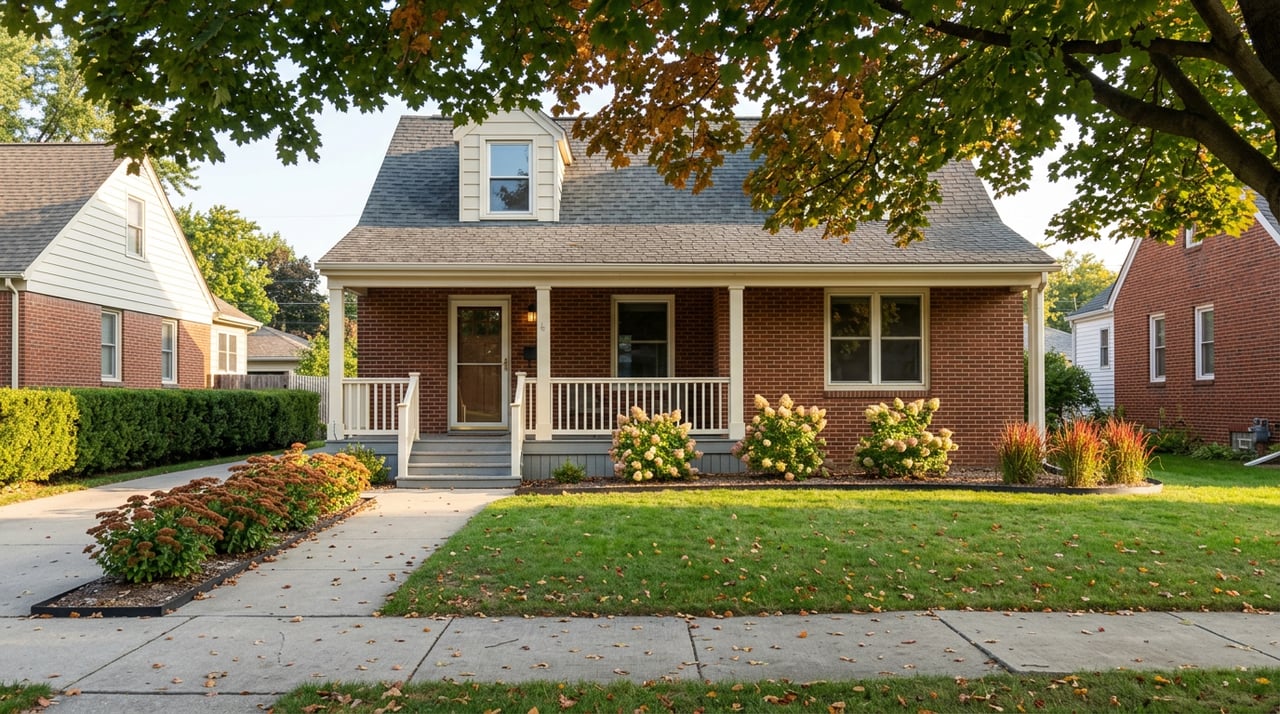
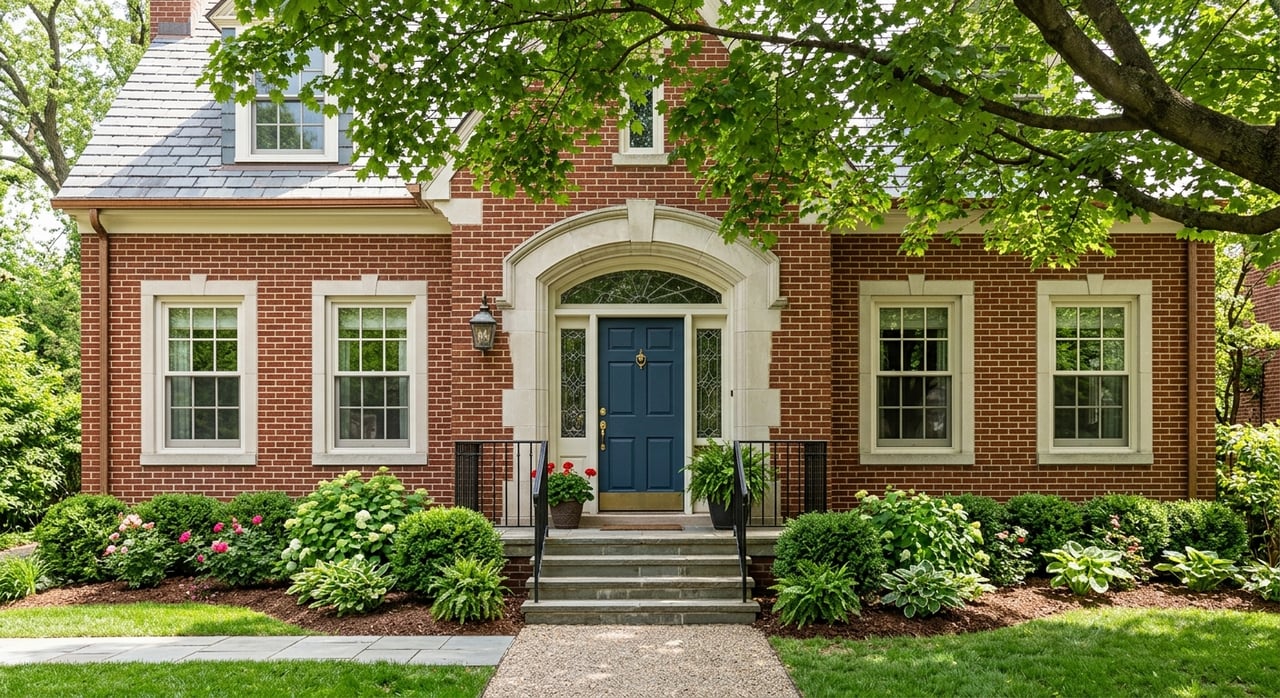
Summit Hill is a distinct St. Paul neighborhood with roughly 75 square blocks and a housing stock built largely between 1880 and 1920. It includes single-family homes, condos, and multifamily properties, all within a neighborhood known for its historic residential and commercial character. That mix matters because buyers do not evaluate every Summit Hill home the same way.
If you are selling here, your home is competing first within its own submarket, not just within the neighborhood as a whole. A historic single-family home, a renovated condo, and a small multifamily property attract different buyers, different budgets, and different expectations. That is why neighborhood averages can be useful for context, but they should not be the main basis for your pricing strategy.
What Recent Summit Hill Data Shows
The recent numbers point to a market that is active, but not overheated across every segment. A March 2026 market snapshot showed a median home price of $850,000 in Summit Hill, up 32.0% year over year, with 19 homes sold and a median of 98 days on market. That same snapshot showed a median sale-to-list ratio of 98.2%, and 21.1% of homes sold above list price.
A broader rolling 12-month MLS-based report offers a steadier view. As of early April 2026, Summit Hill showed a median sales price of $710,000, an average sales price of $716,063, price per square foot of $254, 97.2% of original list price received, and 60 days on market. Inventory stood at 23 homes, with 3.1 months of supply.
The main takeaway is simple: sellers are still getting strong results, but the market is not rewarding every listing equally. Buyers are paying attention, comparing options, and responding to value.
Why Pricing Precision Matters More Here
In a neighborhood like Summit Hill, pricing is where market trends become personal. Because the housing stock is older and varied, the right list price depends on your home’s property type, condition, finish level, and era, not just your address.
This is especially important when broad statistics look strong. A rising median price can create confidence, but it can also tempt sellers to price based on the top end of the neighborhood instead of the most relevant comparable sales. When that happens, a listing can lose momentum and spend more time on the market.
Recent sales show how wide that spread can be. One upper-end home sold for $870,014 after 30 days and closed 9% above list, while another condo took 235 days and closed 2% below list. That contrast is a clear reminder that buyers in Summit Hill respond differently depending on the exact product being offered.
Days on Market Still Matter
It is easy to focus on price growth and overlook listing speed, but time on market is one of the clearest signs of whether a home is positioned well. Summit Hill’s rolling 12-month report showed 60 days on market, while a March snapshot showed a median of 98 days. Both figures suggest that sellers should expect a marketing period measured in weeks, not just a fast weekend rush.
That does not mean your sale will be slow. It means you should plan with realistic expectations and a strategy built around your property’s likely buyer pool. In Summit Hill, the best-performing listings are often the ones that launch prepared, priced credibly, and presented in a way that matches what local buyers are already seeking.
Inventory Is Up, Which Changes the Conversation
Another market trend sellers should watch is inventory. Summit Hill had 23 homes for sale and 3.1 months of supply, up from 2.3 months a year earlier. In March 2026, the neighborhood also recorded 15 new listings and 11 closed sales.
That increase does not signal a weak market, but it does mean buyers may have more choices than they did a year ago. More options can create a more selective buyer mindset. When buyers can compare multiple homes at once, details like presentation, updates, maintenance, and parking practicality can carry more weight.
For you as a seller, this means the market may still support strong pricing, but only when the value is easy to understand. If buyers have to work too hard to justify the asking price, they may simply move to the next listing.
Spring Can Help, but Timing Is Only Part of It
Across the Twin Cities, spring usually brings more activity, and the recent local data supports that pattern. For the week ending May 2, 2026, new listings were up 10.4% year over year, pending sales were up 3.5%, and inventory was up 8.1%. March days on market also improved compared with January and February, which points to a typical seasonal pickup.
For Summit Hill sellers, spring can create stronger exposure and a larger active buyer pool. Even so, timing alone will not solve weak pricing or limited preparation. A home that enters the market during an active window still needs to feel competitive the moment buyers see it.
That is why the best timing strategy is usually to prepare before the seasonal rush peaks. If your home is ready to show well when motivated buyers are most active, you give yourself a better chance to capture attention early.
Buyer Expectations in Summit Hill Are Specific
Summit Hill buyers are often responding to more than square footage and bedroom count. The neighborhood’s historic identity, pedestrian-friendly streets, and older housing stock all shape how buyers evaluate homes here. In practical terms, that means curb appeal, visible maintenance, layout functionality, and parking solutions can influence perceived value in a meaningful way.
If you own a historic or character-rich property, buyers may place a premium on original details that feel well cared for. If your home needs updates, buyers may still be interested, but they will likely compare your asking price closely against the cost and effort of future work. In either case, presentation matters.
This is where a seller-focused preparation plan can make a real difference. Thoughtful improvements, strong staging, and polished marketing can help your home stand out, especially in a neighborhood where architecture and condition are part of the buying decision.
How Sellers Can Respond to These Trends
Market trends are useful only if they help you make better decisions. In Summit Hill, the strongest seller strategy usually comes down to a few core moves.
Price from the right comp set
Use comparable sales that match your property type, condition, and style as closely as possible. In this neighborhood, a broad median price is only a starting point. Your real pricing power comes from understanding what buyers have recently paid for homes like yours.
Prepare before listing
Because many Summit Hill homes are older, buyers tend to notice deferred maintenance quickly. A focused pre-listing plan can improve first impressions and reduce hesitation during showings. If the right improvements could increase value or marketability, Christian Klempp can also guide sellers on options like Compass Concierge.
Present the home clearly
When inventory rises, buyers become more selective. Professional presentation helps them understand the value of your home faster. Strong photography, a clean launch, and a clear story around updates, design, and livability can help your listing compete more effectively.
Expect negotiation, not just attention
With homes in Summit Hill averaging close to list but not always above it, negotiation still matters. The rolling 12-month report shows sellers received 97.2% of original list price on average. That is a strong result, but it also means strategy after the first showing matters just as much as strategy before launch.
What This Means for Your Sale
The current Summit Hill market is encouraging for sellers, but it rewards precision more than assumption. Prices are up, inventory is active, and many homes are still selling close to list. At the same time, buyers are not treating every listing the same, and the gap between a strong outcome and a stale listing can be wide.
If you are planning to sell, your best move is to treat market trends as a guide, not a shortcut. A smart pricing plan, thoughtful preparation, and high-level presentation can help you meet the market where it is and make the most of your opportunity. If you want a tailored plan for your Summit Hill home, connect with Christian Klempp for a consultation.
FAQs
How do market trends affect Summit Hill home pricing?
- Market trends help set the backdrop, but in Summit Hill your price should be based mainly on comparable sales for your specific property type, condition, and style.
What is the current days on market trend for Summit Hill home sellers?
- Recent Summit Hill data showed about 60 days on market in the rolling 12-month MLS report, with a March snapshot showing a median of 98 days, so sellers should plan for a timeline measured in weeks.
Are Summit Hill homes still selling close to list price?
- Yes. The rolling 12-month MLS-based report showed sellers received 97.2% of original list price on average, and a March 2026 snapshot showed a 98.2% median sale-to-list ratio.
Does higher inventory matter for Summit Hill home sellers?
- Yes. With 23 homes for sale and 3.1 months of supply, buyers may have more choices, which makes pricing, preparation, and presentation more important.
When is the best time to sell a home in Summit Hill?
- Spring often brings stronger activity in the Twin Cities, but the best timing also depends on when your home is fully prepared to compete well when it hits the market.
Why do Summit Hill condos and single-family homes perform differently?
- Summit Hill has a varied housing mix, and different property types attract different buyer pools, so condos, historic single-family homes, and multifamily properties often move at different speeds and price levels.