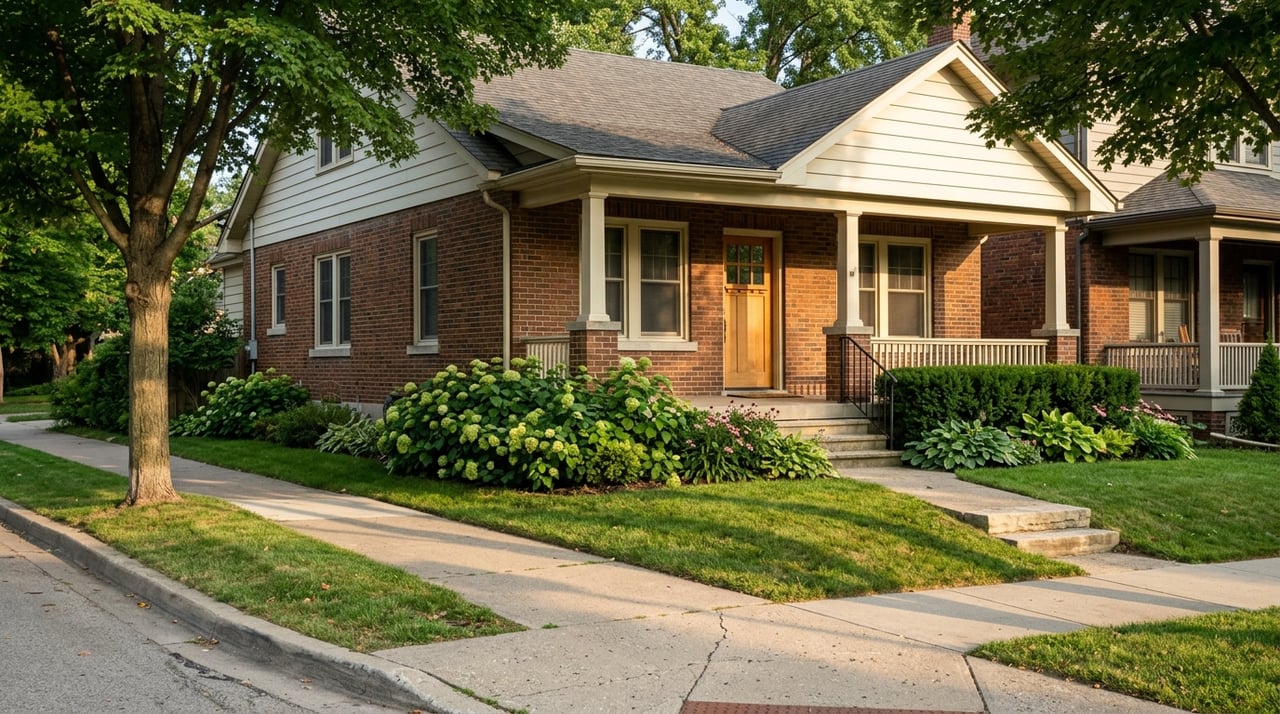
If you want a Saint Paul neighborhood that feels historic, connected, and practical for daily life, Summit-University deserves a closer look. You may be weighing architecture, convenience, green space, and transit all at once, and that can make the home search feel a little overwhelming. This guide will help you understand what everyday living around Summit-University homes can actually look like, from housing character to errands, recreation, and cultural landmarks. Let’s dive in.
Summit-University at a glance
Summit-University sits just west of downtown Saint Paul. City planning materials describe the neighborhood as roughly bounded by University Avenue, Summit Avenue, Lexington Parkway, and Marion Street or John Ireland Boulevard.
What stands out most is the mix of history and daily convenience. The district plan highlights historic structures, restaurants, small businesses, arts, and history as defining parts of the area’s identity.
Housing style and street feel
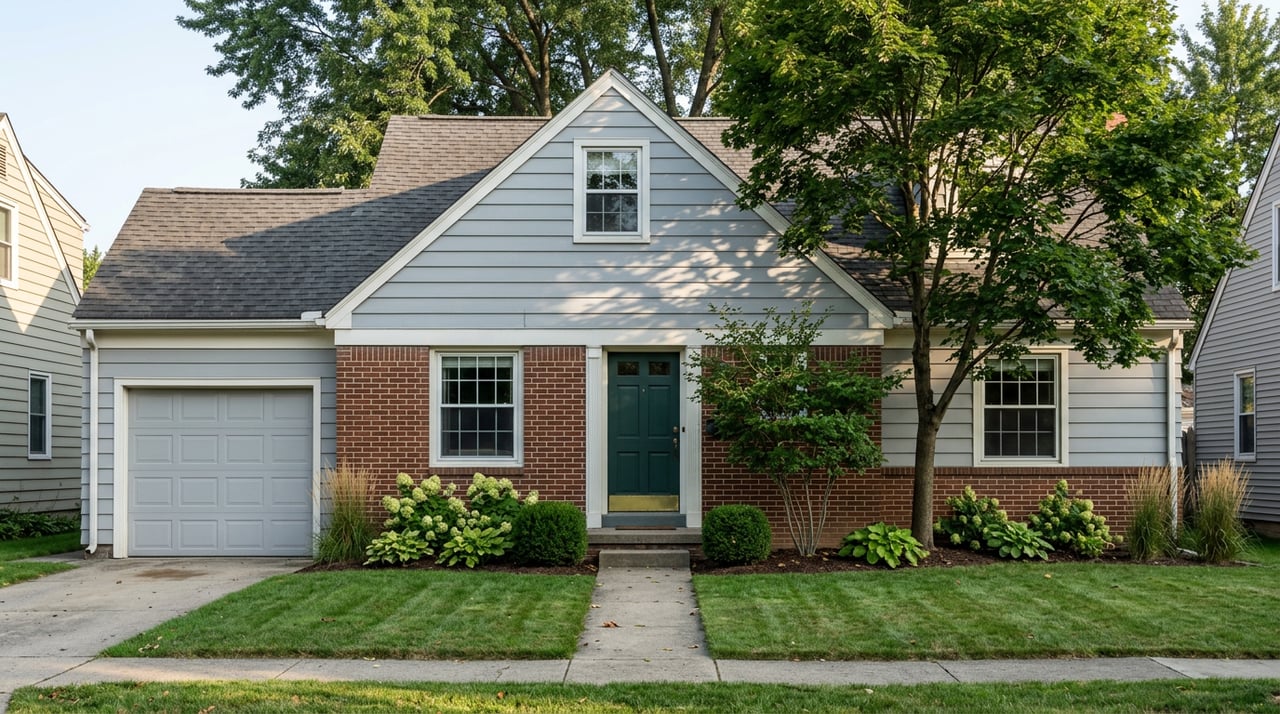
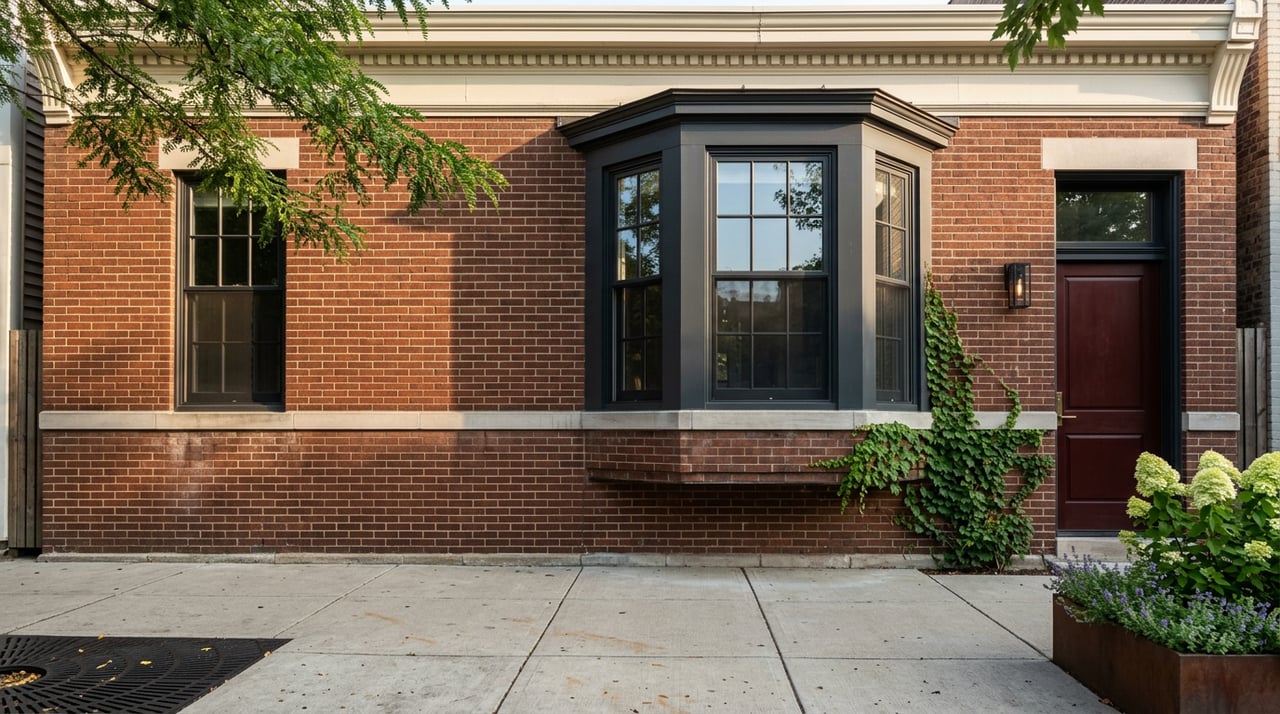
Summit-University offers a mixed housing stock, including both single-family and multi-family homes. Larger commercial parcels are concentrated along University Avenue, which helps create a clear shift between more residential blocks and busier mixed-use corridors.
The neighborhood also has a long layered history. Planning and historic context materials note that the south side near Summit Avenue developed as a premier late-19th-century residential district, while the north side near University Avenue became more mixed and commercial over time as streetcar lines and city services expanded.
For many buyers, Summit Avenue is the visual anchor. Historic studies describe it as a 200-foot-wide boulevard lined with large late-19th-century homes, which gives this part of the neighborhood a strong architectural presence.
The leafy feel is not just perception. Saint Paul’s urban forest report counted 6,172 street trees in District 8 and found a 30.5 percent canopy cover, helping explain why so many blocks feel shaded and established.
What everyday convenience looks like
One of the biggest lifestyle advantages in Summit-University is how many daily needs can be met close to home. Instead of relying on long drives for every errand or outing, you have several active neighborhood corridors nearby.
University Avenue remains the main commercial spine in the neighborhood’s historic context. It has long served as a practical corridor for movement, services, and neighborhood activity.
Grand Avenue is another major day-to-day asset. The Grand Avenue Business Association says the corridor includes more than 185 member businesses across 26 blocks from the Mississippi River to downtown Saint Paul, which gives you a broad mix of retail and service options within a well-known local corridor.
Selby Avenue also plays a major role in daily life. Visit Saint Paul describes the stretch from Snelling to the Cathedral as a restaurant-heavy corridor, while the Selby at Snelling district highlights cafes, bakeries, pubs, groceries, and casual dining.
That matters because it supports repeat routines, not just special occasions. Current dining and shopping pages for Selby at Snelling highlight practical stops such as Whole Foods, yum! Kitchen and Bakery, Zait & Za'atar, Red’s Savoy Pizza, and Rose Street Patisserie.
Transit and getting around
If you value public transit access, Summit-University has a strong location. The METRO Green Line links downtown Minneapolis, the University of Minnesota, and downtown Saint Paul, giving you a direct connection to some of the region’s biggest destinations.
Metro Transit describes METRO service as frequent and all-day. The Snelling & University Station also connects bus routes 16 and 21, which adds another layer of flexibility for commuting, appointments, or car-light routines.
For buyers who want an urban neighborhood without feeling cut off from the rest of the Twin Cities, this is a meaningful advantage. The neighborhood supports a lifestyle where transit can be part of your normal weekly rhythm, not just an occasional backup plan.
Parks and recreation nearby
Summit-University includes several neighborhood-scale recreation anchors that can shape your everyday routine. You do not need to plan a major outing to get fresh air or fit in activity.
Summit Monument Park is one of the area’s notable green spaces. Located just outside the Cathedral of Saint Paul, it centers on the Soldiers and Sailors Monument and is part of a broader network of Cathedral Hill green spaces.
Central Village Park at 457 Central Avenue has served as a neighborhood gathering place since the 1970s. It is also part of a long-range planning process involving the city and community partners, which speaks to its continued role in neighborhood life.
For indoor recreation, the Oxford Community Center and Jimmy Lee Recreation Center add year-round options. The city says the complex includes Great River Water Park, open gym, fitness memberships, swimming lessons, youth and adult athletics, and event space.
Great River Water Park itself offers a lap pool, children’s activity pool, two slides, open swim, lap swim, water aerobics, and lessons. For many households, that kind of nearby indoor recreation can make weekly routines easier, especially during colder months.
Culture and neighborhood identity
Summit-University is not only about attractive streets and convenience. It also has a strong civic and cultural identity that helps give the neighborhood depth.
The Cathedral of Saint Paul is one of the area’s most recognizable landmarks. The cathedral describes itself as a civic landmark and a place of respite near downtown, and it stands prominently at 239 Selby Avenue.
Penumbra Theatre is another important neighborhood institution. Located at 270 North Kent Street, its mission centers on professional productions rooted in the African American experience, making it a significant cultural presence in the broader Summit-University and Rondo landscape.
The neighborhood also benefits from practical cultural resources. As of 2026, Rondo Community Library services are being offered at the Hallie Q. Brown Community Center during renovation of the original University and Dale location, with access to computers, study rooms, meeting rooms, a Black Culture and History Collection, and a Small Business Resource Center.
The day-to-day lifestyle balance
What makes Summit-University appealing is the balance it offers. You can find blocks with a historic residential feel, while still staying close to groceries, restaurants, transit, parks, and community resources.
In simple terms, this is a neighborhood that can support both quiet home life and a more active urban routine. You might start the day on a tree-lined residential street, stop by a neighborhood cafe or grocery, use transit for work or appointments, and still have parks or recreation nearby for the evening.
That blend can be especially appealing if you want character without giving up convenience. It can also work well for buyers relocating to Saint Paul who want a neighborhood with clear identity and easy access to key parts of the city.
Who Summit-University may suit best
Summit-University can appeal to several types of buyers because the housing and lifestyle mix is broad. If you are drawn to historic settings, established streetscapes, and architecture with visible character, the area near Summit Avenue may stand out.
If your focus is access and convenience, the proximity to University Avenue, Selby Avenue, Grand Avenue, and the Green Line may be the bigger draw. Those nearby corridors support daily errands, dining, and movement across Saint Paul and beyond.
It can also be a useful neighborhood to consider if you want a home base with layered identity. Between historic homes, cultural institutions, recreation centers, library services, and major transit, Summit-University offers more than one way to live in the neighborhood.
What to notice when touring homes
When you tour Summit-University homes, it helps to look beyond the house itself and pay attention to the block and the nearby corridors. In a neighborhood with this much variation, small location differences can shape your daily routine.
Consider how close you want to be to Summit Avenue, Selby Avenue, Grand Avenue, or University Avenue. Each area offers a slightly different feel, from quieter residential stretches to busier mixed-use access points.
You may also want to notice how the streetscape feels. Mature trees, boulevard width, nearby park access, and the distance to transit stops or everyday shopping can all affect how livable a home feels once the excitement of the search settles down.
If you are comparing Summit-University with other Saint Paul neighborhoods, focusing on your routine is often the clearest test. The right fit is usually the place that makes ordinary weekdays feel easier and more enjoyable.
If you are thinking about buying or selling in Saint Paul, working with a local advisor can help you match the right property to the lifestyle you actually want. To talk through Summit-University homes and what fits your goals, schedule a consultation with Christian Klempp.
FAQs
What is the general setting of Summit-University in Saint Paul?
- Summit-University is west of downtown Saint Paul and is generally bounded by University Avenue, Summit Avenue, Lexington Parkway, and Marion Street or John Ireland Boulevard.
What types of homes are common in Summit-University?
- The neighborhood has a mix of single-family and multi-family homes, with larger commercial parcels mainly along University Avenue.
What is daily shopping and dining like near Summit-University homes?
- Nearby corridors such as Selby Avenue, Grand Avenue, and University Avenue support everyday errands and dining, with access to groceries, cafes, bakeries, pubs, and casual restaurants.
How does transit work around Summit-University?
- The METRO Green Line provides frequent all-day service between downtown Minneapolis, the University of Minnesota, and downtown Saint Paul, and Snelling & University Station also connects bus routes 16 and 21.
What parks and recreation options serve Summit-University residents?
- Key nearby options include Summit Monument Park, Central Village Park, and the Oxford Community Center and Jimmy Lee Recreation Center, which includes Great River Water Park and other indoor recreation amenities.
What landmarks shape Summit-University neighborhood identity?
- Major cultural and civic anchors include the Cathedral of Saint Paul, Penumbra Theatre, and Rondo Community Library services currently offered at the Hallie Q. Brown Community Center during renovation.