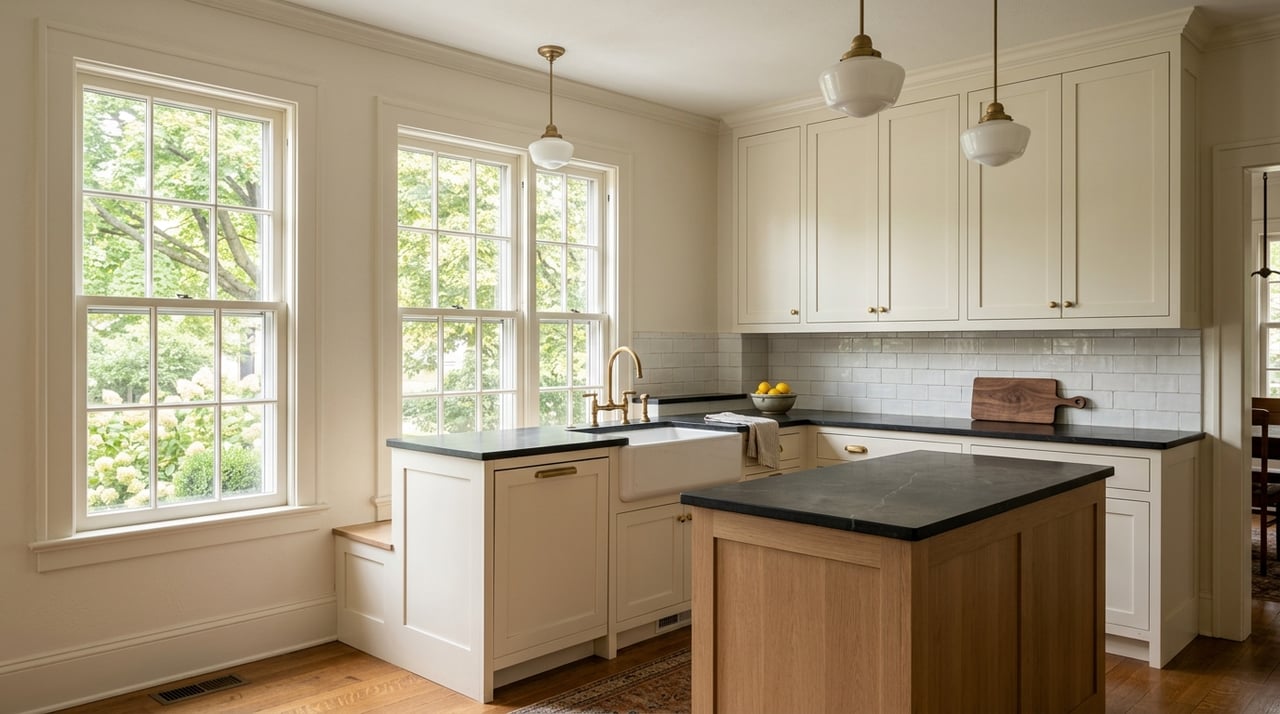
Wondering how to modernize an older Macalester-Groveland home without stripping away the very details that make it special? You are not alone. In 55105, many homes carry early-1900s charm, and the smartest updates are usually the ones that improve daily living while protecting the features that give a house its identity. If you are planning to renovate for your own enjoyment or to prepare for a future sale, this guide will help you focus on the improvements that matter most. Let’s dive in.
Why character matters in Mac-Grove
Macalester-Groveland is known for its walkable streets, mature trees, and long-established housing stock. The neighborhood plan describes a connected, mixed-use area with a pedestrian-oriented scale and many homes dating to the early 1900s. That setting is a big reason buyers respond so strongly to homes here.
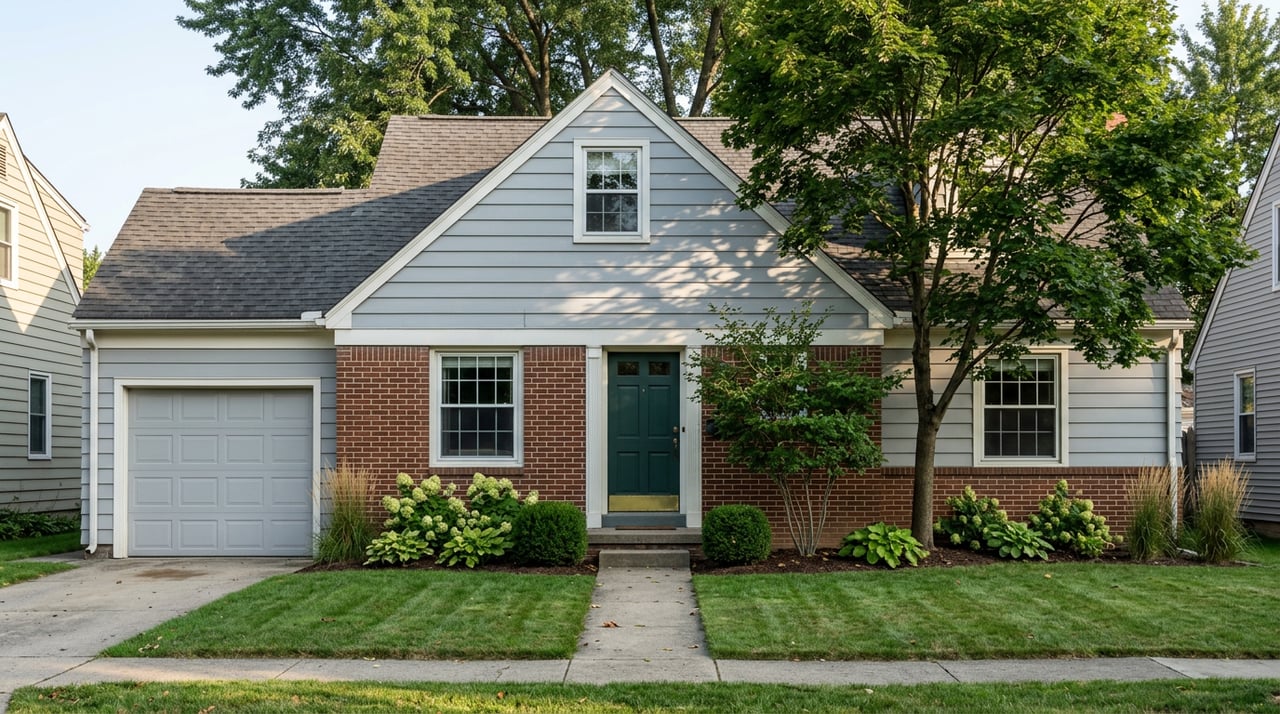
In practical terms, character often shows up in the details you notice right away. Think front porches, original rooflines, consistent window patterns, masonry or wood siding, and trim that matches the home’s age. Those elements give a house presence on the street and help it feel rooted in the neighborhood.
That is why updates in Mac-Grove tend to work best when they feel like stewardship, not reinvention. Minnesota preservation guidance emphasizes protecting a property’s design, materials, craftsmanship, and setting wherever possible. When you update with that mindset, the home can feel fresher and more functional without losing its soul.
Keep the features buyers remember
If you want your renovation dollars to go further, start by identifying the parts of the house that shape first impressions. In many Macalester-Groveland homes, that includes the porch, front entry, windows, trim, siding, and the overall scale of the front façade. These are often the features that make one older home feel authentic and another feel over-renovated.
Minnesota Historical Society guidance is clear on this point. Original materials should be retained when possible, and distinctive features, finishes, and craftsmanship should be preserved. Repair is generally preferred over replacement, and non-breathable materials like vinyl and metal siding are strongly discouraged.
That does not mean your house has to stay frozen in time. It means visible changes should respect the original architecture. A home can absolutely function better for modern living while still looking like it belongs on the block.
Focus updates where daily life improves
The most successful renovations usually modernize the parts of the home you use every day. Kitchens, baths, storage, roofing, and exterior upkeep tend to deliver the strongest mix of livability and resale appeal. This approach also helps you avoid expensive changes that may weaken the home’s original feel.
The 2025 Remodeling Impact Report found that kitchen upgrades and new roofing earned perfect Joy Scores of 10. It also noted stronger buyer demand for bathroom renovation over the last two years, while closet renovation recovered 83% of project cost. For older homes with tighter storage, that is especially relevant.
If you are deciding where to begin, deferred maintenance should come first. After that, visible finish updates and function-driven improvements usually offer the best return in both comfort and marketability. Buyers are paying close attention to condition, and 46% are less willing to compromise on it.
Update kitchens without flattening them
Kitchens are often the room where owners feel torn. You want better storage, lighting, workflow, and surfaces, but you do not want the room to lose the details that make an older house feel warm and layered. The right move is often a selective upgrade, not a total reset.
In a Mac-Grove home, that may mean improving cabinet function, counters, fixtures, and lighting while keeping the room’s original scale intact. If the kitchen still has trim, built-ins, or openings that fit the age of the house, preserving those details can help the renovation feel integrated instead of generic.
The goal is a kitchen that works better every day but still feels consistent with the home around it. That balance tends to matter to both current owners and future buyers.
Refresh bathrooms and storage thoughtfully
Bathrooms and closets may not be the most visible spaces from the curb, but they can shape how livable an older home feels. Buyers often appreciate updates in these areas because they reduce friction in everyday routines. That is especially true in homes where storage was not designed for modern habits.
A thoughtful bathroom update can improve lighting, fixtures, surfaces, and function without erasing period character elsewhere in the home. Closet improvements can also have outsized impact, particularly if they make an older layout feel easier to live with.
When these updates are done with restraint, they support the home rather than compete with it. That is often the difference between a renovation that feels polished and one that feels disconnected.
Preserve curb appeal from the street
Exterior work matters in Macalester-Groveland because the neighborhood’s visual rhythm is part of its appeal. If you are preparing to sell, curb appeal improvements are often worth prioritizing. If you are staying put, they still protect value and support long-term maintenance.
According to the 2025 Remodeling Impact Report, Realtors most often recommend painting the entire home, painting one room, and installing new roofing before listing. The same report found that a new steel front door had 100% cost recovery, while a new fiberglass front door had 80% cost recovery.
For an older home here, the best version of that advice is usually straightforward. Repair porch elements, refresh paint, maintain roofing and gutters, and keep the front entry aligned with the home’s original architecture. Oversized or overly modern replacements can draw attention for the wrong reasons.
Be careful with siding and windows
Some of the biggest renovation regrets in older homes come from quick exterior replacements. Siding and windows can be expensive, highly visible, and difficult to reverse once done. That is why they deserve extra planning.
Minnesota Historical Society guidance strongly discourages non-breathable materials such as vinyl and metal siding on historic homes. It also favors retaining original materials and repairing deterioration where possible. If replacement becomes necessary, the replacement should support the home’s architectural character rather than fight it.
Before ordering anything, confirm what your house needs, what the city requires, and what will still look right ten years from now. Short-term convenience is not always the best long-term choice in a neighborhood like this.
Plan additions to stay subordinate
Sometimes a home truly needs more space. You may want a mudroom, a larger rear living area, or changes to a garage setup. In Mac-Grove, those projects can work well when they are designed to support the original house rather than overpower it.
The National Park Service advises that additions should not destroy character-defining materials, features, or spatial relationships. New work should be distinguishable from the old but still compatible in size, scale, design, material, proportion, and massing.
In practice, that often points to rear or secondary-side additions that remain subordinate to the front façade and original roofline. The front of the house should still read clearly as the main story.
Know St. Paul rules before work starts
Before you finalize plans, check whether your property is a designated heritage site or located within a locally designated heritage district. In Saint Paul, exterior projects on those properties require Heritage Preservation review. The city says that design review focuses on maintaining key historic features, historic integrity, and district character.
This is an address-specific issue, so it is worth confirming early. The city’s permit guidance also states that in a Historic Preservation Area, exterior work or repairs such as tuckpointing, siding, window replacement, or roof patching require a permit regardless of value.
In designated historic districts, exterior work must be submitted as a building permit application with exterior elevations, details, and photos for Heritage Preservation review. More broadly, Saint Paul says non-structural remodels that are not normal maintenance need a permit if the total value exceeds $500. Knowing this up front can help you avoid delays, redesigns, and wasted spending.
A smart renovation sequence for resale
If resale is even part of your thinking, the safest path is usually a staged approach. Start with maintenance and building condition, then move to visible cosmetic improvements, and only then consider larger layout changes if they clearly improve how the home lives.
A practical sequence may look like this:
- Repair roofing, gutters, paint, and exterior wear.
- Address porch, trim, and front-entry condition.
- Improve kitchens, baths, and storage.
- Revisit layout changes or additions only if they add real function.
This order lines up with what buyers tend to reward. It also helps protect the home’s original strengths while making smart upgrades where they are most likely to be seen and felt.
Think like a steward, not a flipper
The best Macalester-Groveland renovations rarely shout. They feel intentional, respectful, and well edited. Instead of chasing trends, they improve the house in ways that make sense for its age, setting, and architecture.
That mindset can help you make better decisions on everything from paint colors to addition plans. It also tends to produce homes that show better, feel more timeless, and attract stronger buyer confidence when it is time to sell.
If you are weighing which updates are worth doing before listing, or how to preserve character while improving value, working with an advisor who understands both design and resale strategy can make the process much clearer. If you want thoughtful guidance on preparing a Macalester-Groveland home for today’s market, connect with Christian Klempp.
FAQs
What updates add value in a Macalester-Groveland home?
- In older Mac-Grove homes, buyers often respond well to roofing, exterior upkeep, front-entry improvements, kitchen updates, bathroom improvements, and better storage.
What should you preserve in a 55105 character home?
- Focus on keeping the features that shape the home’s identity, such as porch depth, roofline, window rhythm, masonry or wood siding, trim profiles, and original craftsmanship where possible.
Do Saint Paul permits matter for historic-home exterior work?
- Yes. In Saint Paul, exterior work in Historic Preservation Areas can require permits regardless of value, and properties in designated historic districts may need Heritage Preservation review.
Can you add onto a Macalester-Groveland home without hurting its character?
- Yes, if the addition stays compatible with the original house in size, scale, and massing and remains subordinate to the front façade and original roofline.
Should you replace original siding on an older St. Paul home?
- Not automatically. Preservation guidance favors retaining and repairing original materials when possible, and it strongly discourages non-breathable materials like vinyl and metal siding on historic homes.