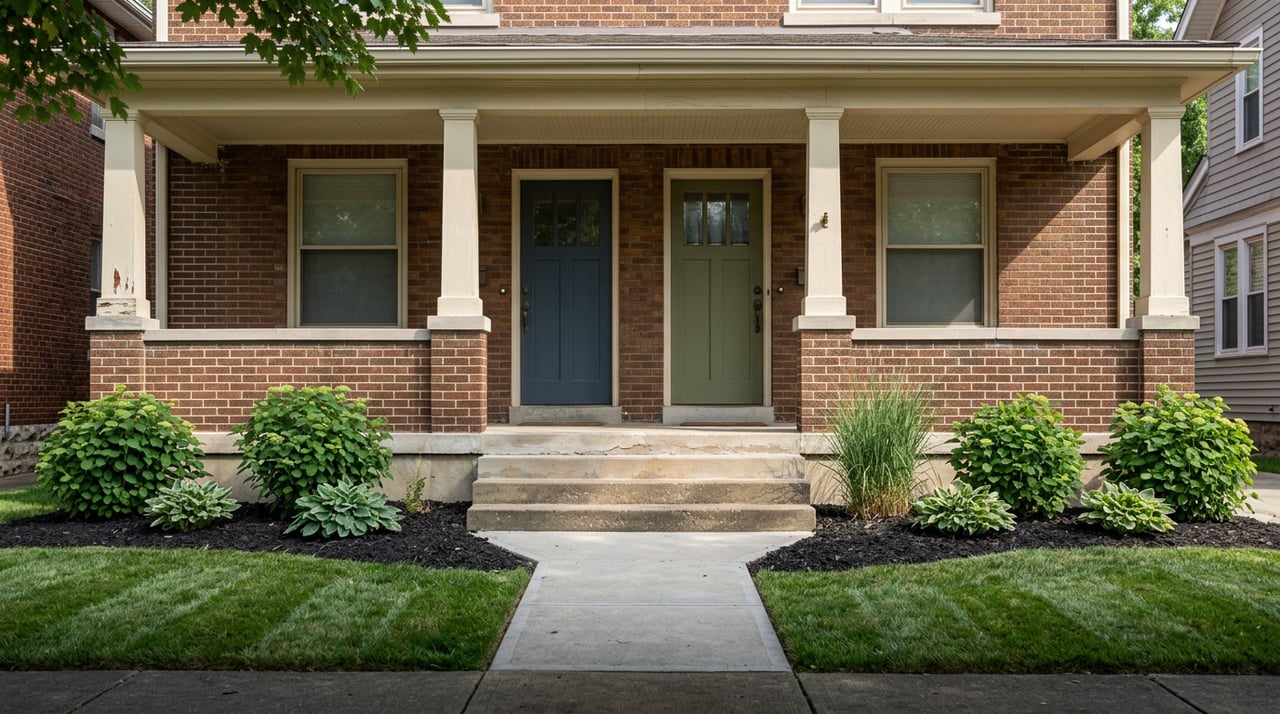
Thinking about living in one unit while the other helps pay the mortgage? A duplex in Como Park can be a smart way to build equity while enjoying one of Saint Paul’s most beloved green spaces. You want clear numbers, local rules, and a simple path from first screen to confident offer. This guide gives you practical, neighborhood-specific steps to assess a Como Park duplex and move forward with confidence. Let’s dive in.
Como Park at a glance
Como Park centers around Como Regional Park, with Como Lake, the Zoo and Conservatory, and year-round activities. The neighborhood’s community hub is District 10, which provides neighborhood resources and planning updates. You can explore area context and contacts through the District 10 council site.
From a small-multifamily lens, Como Park offers an older housing stock and frequent two-unit listings that attract both investors and owner-occupants. Whether you plan to house hack or buy as a long-term hold, your results will come down to price, condition, and clean underwriting.
What duplexes look like here
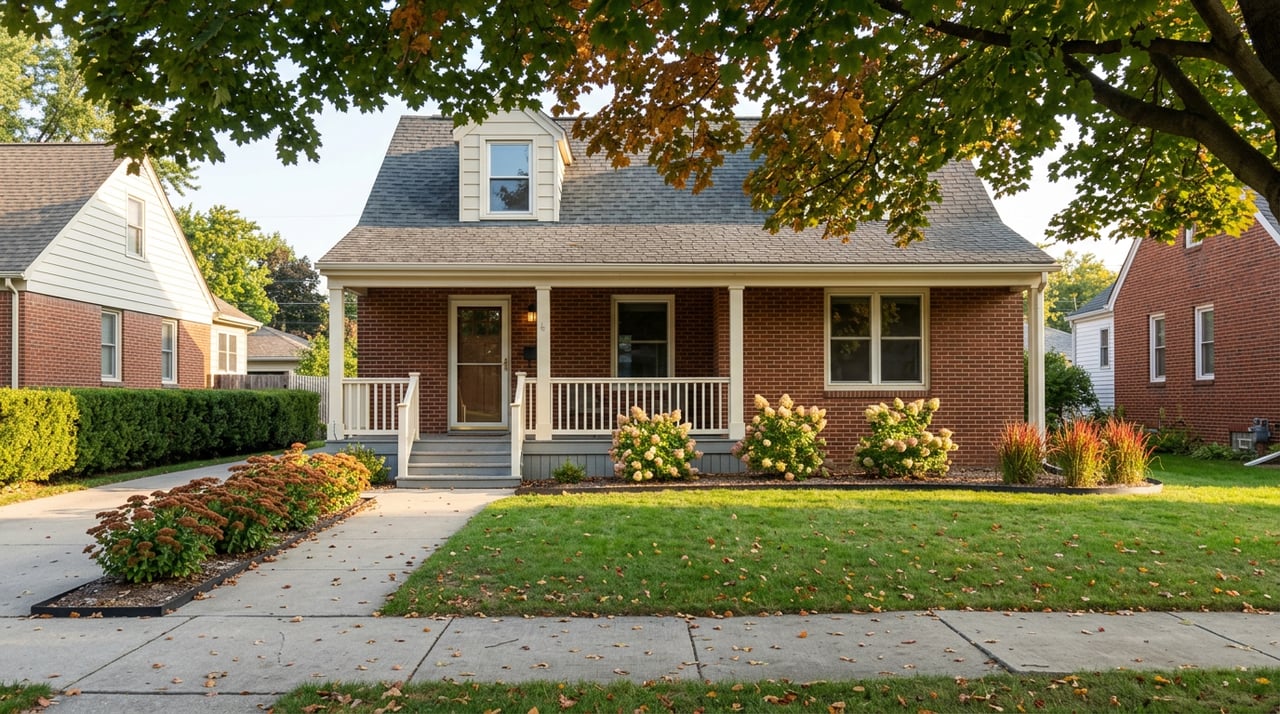
Most duplexes you will see are classic up down or side-by-side two-unit buildings, often built in the late 19th or early 20th century and updated over time. Common unit mixes are 1 to 3 bedrooms per unit, and many buyer plans center on two 1 to 2 bedroom units. Always verify unit count, legal configuration, and whether any basement space is legal living area.
Sale prices vary with size and condition, but public market snapshots place many Como Park duplexes in the low to mid hundreds of thousands of dollars. A neighborhood median reported by a consumer aggregator over the last year sat near $350,000, which is a directional reference only. Use recent sold comps from the MLS for your exact block and floor plan before writing an offer.
Rent expectations and demand
City-level trackers are a quick way to sanity check rent. Zumper’s St. Paul series places 1 and 2 bedroom medians roughly in the 1,100 to 1,600 range. Many Como Park duplex units fall in an estimated 1,100 to 1,900 per month band depending on size and updates. Start with the city medians in Zumper’s St. Paul page, then verify with active neighborhood listings for your specific unit mix.
Quick screen: Will the numbers pencil?
A conservative first pass helps you triage deals fast. The widely used 50% rule estimates that operating expenses, excluding mortgage payments, will average about 50 percent of gross scheduled rent for small rentals. Treat it as a screen, then replace it with line-item local numbers. For context on the rule, see this overview of the 50 percent screening approach.
Example first-pass screen
- Example price anchor: $350,000, based on a neighborhood median reported by a consumer aggregator. Replace this with MLS comps.
- Example rent: two 2-bedroom units at $1,609 each, using the St. Paul 2-bedroom median from Zumper as a placeholder. Gross rent equals $3,218 per month or $38,616 per year.
- Apply the 50% rule: expenses about $19,308 per year. That implies an NOI near $19,308 and a simple cap rate near 5.5 percent before debt.
This is only a gatekeeper. Before you make an offer, confirm every input with parcel-level taxes, insurance quotes, real utility bills, and a professional inspection.
Line-item costs you must verify
- Property taxes. Pull the actual parcel record and tax bill from Ramsey County. Taxes are billed in two installments and can change with assessments. Start with the county’s property tax page.
- Insurance. Quote landlord or dwelling-fire policies, which differ from owner-occupant coverage. Confirm rental use, liability limits, and any lead or short-term restrictions.
- Utilities. Clarify what tenants pay versus what you pay. Separate meters often improve operating margins.
- Maintenance and capital. Older duplexes need steady upkeep. Budget for routine repairs and larger items like roof, HVAC, and structure.
- Vacancy and turnover. Build in a conservative allowance. Turnover costs can impact cash flow even in stable areas.
- Property management. If you do not plan to self-manage, get local bids and confirm what is included in the monthly fee.
- Local compliance costs. Saint Paul’s Department of Safety and Inspections manages Certificates of Occupancy and other rental programs. Check the C of O map and lookup for fees, schedules, and status.
Rules, licenses, and safety in Saint Paul
- Certificate of Occupancy and rental licensing. Saint Paul DSI oversees the Certificate of Occupancy program, inspection grades, and rental licensing, including separate rules for short-term rentals. Confirm the current status for the exact parcel using the city’s C of O resources.
- Security deposits. Minnesota law requires you to return the deposit or provide an itemized statement within three weeks of the tenancy ending, with statutory interest and penalties for bad-faith withholding. Review Minn. Stat. §504B.178 on the state’s statute site.
- Lead-based paint. Many Como Park buildings predate 1978. Federal rules require disclosure and distribution of the EPA and HUD pamphlet before leasing target housing. Access the official EPA lead disclosure pamphlet, and use lead-safe practices when renovating.
Financing if you plan to house hack
Many owner-occupant buyers use government-backed options to purchase 2 to 4 unit properties with reduced down payments, provided you live in one unit. Requirements, loan limits, and underwriting vary by lender and program. For a starting point on owner-occupied duplex financing, review this overview of FHA-style duplex purchases, then confirm details with an FHA-approved lender.
Due diligence roadmap
Pre-offer screen
- Pull 6 to 12 months of sold MLS comps for the same unit mix and nearby blocks. Avoid relying on a single aggregator metric.
- Cross-check likely rents using Zumper’s St. Paul medians and active neighborhood listings with similar bedroom counts and condition.
- Run the 50 percent screen to see if the deal deserves deeper underwriting.
Underwriting deep dive
- Request the seller’s rent roll, utility bills, and expense receipts for 12 to 24 months.
- Order a full inspection that covers structure, electrical, plumbing, HVAC, pests, and specialty testing for pre-1978 properties.
- Verify DSI Certificate of Occupancy status, inspection grade, and any open code items using the city’s lookup tools.
- Get mortgage quotes for owner-occupant versus investor financing, and ask how lenders will treat projected or in-place rents.
- Obtain landlord insurance quotes and, if you plan to outsource, property management bids.
Closing and your first year
- Maintain a reasonable capital reserve for immediate repairs plus a 3 to 6 month operating cushion.
- If you will owner-occupy, document occupancy to satisfy loan requirements.
- Track expenses carefully in year one to refine your pro forma and inform future rent and capital decisions.
Taxes and depreciation basics
Residential rental buildings are generally depreciated over 27.5 years on a straight-line basis for federal taxes. Interest and many operating costs are deductible, and sale recapture rules apply. For details and examples, review IRS Publication 527 and consult a CPA for personalized guidance.
The bottom line
Como Park offers a steady stream of small duplex opportunities near one of Saint Paul’s signature parks. Start with a conservative first-pass screen, then build a parcel-specific pro forma using actual taxes, insurance quotes, utility bills, and inspection findings. Confirm DSI compliance, follow Minnesota tenant rules, and choose financing that fits your plan to live in or rent both units.
If you want a local, numbers-forward partner to help evaluate target properties, structure your offer, and plan improvements, connect with Christian Klempp. Schedule a Consultation to get tailored insights and a clear next step.
FAQs
Is Como Park a good area for duplex investing in Saint Paul?
- Como Park has stable rental demand thanks to neighborhood amenities and an older small-multifamily stock that creates frequent two-unit listings; final results depend on price, condition, and disciplined underwriting, and you can learn more about the area through District 10’s overview.
What are typical duplex rents in Como Park, Saint Paul?
- City-level medians for 1 and 2 bedroom units in St. Paul run about 1,100 to 1,600, and many Como Park duplex units land in the 1,100 to 1,900 band depending on size and updates; start with Zumper’s St. Paul medians and verify with local listings.
Do I need a rental license or Certificate of Occupancy in Saint Paul?
- Saint Paul’s Department of Safety and Inspections manages rental licensing and the Certificate of Occupancy program, including inspection grades; check parcel status and requirements with the city’s C of O tools.
How do I estimate expenses for a Como Park duplex before I make an offer?
- Use the conservative 50 percent rule as a quick screen on gross rent to approximate operating expenses, then replace it with line-item local data; see an overview of the 50 percent screening approach for context.
What tax rules should Saint Paul duplex owners know?
- Federal rules generally allow 27.5-year straight-line depreciation for residential rentals, with deductions for interest and many operating costs and sale recapture considerations; see IRS Publication 527 and consult a CPA for specifics.