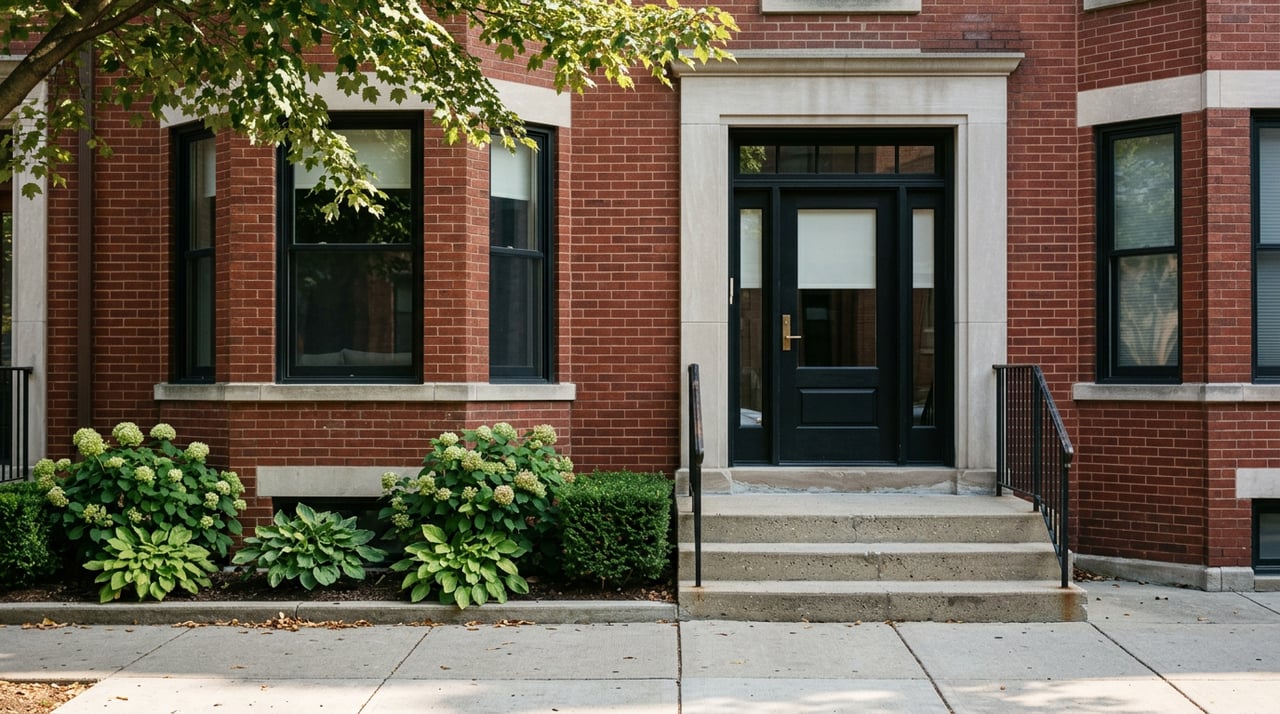
Do you love walking past storied architecture and tree‑lined streets, wondering what it would be like to live there? If Summit‑University in Saint Paul is on your list, you’re looking at one of the Twin Cities’ richest collections of historic homes, from grand mansions to classic bungalows and urban rowhouses. With a higher share of older homes and a mix of ownership and rentals, this neighborhood rewards buyers and sellers who understand style, maintenance, and preservation rules. In this guide, you’ll learn what each home type looks like, how they live, and the practical steps that keep projects smooth. Let’s dive in.
Why Summit‑University stands out
Summit‑University sits just west of downtown Saint Paul and includes the Summit Avenue corridor along with parts of Cathedral Hill and the area historically known as Rondo. It is one of Saint Paul’s most architecturally significant areas, and portions of it fall under local and national historic designations. The housing stock skews older and mixed: about 8,460 total housing units, roughly 41 percent owner‑occupied, about 53.5 percent renter‑occupied, and 57.5 percent built in 1939 or earlier, according to a neighborhood profile summary for 2016–2020. You can review those figures in the city’s neighborhood documentation through this Summit‑University profile.
If you plan exterior changes, know that parts of the neighborhood fall within heritage preservation districts. The City of Saint Paul Heritage Preservation program outlines when review and permits apply.
Street‑by‑street home styles
Summit Avenue mansions
Along Summit Avenue you’ll find some of Minnesota’s best Gilded‑Age architecture. Mansions here often feature masonry or stone, formal façades, deep porches, and high‑ceilinged rooms. You’ll see a range of styles, including Richardsonian Romanesque, Queen Anne, Beaux‑Arts, Colonial Revival, and Tudor Revival. The James J. Hill House at 240 Summit Avenue is a standout example of Richardsonian Romanesque, interpreted today by the Minnesota Historical Society. If you want architectural context and period detail, explore the West Summit Avenue Historic District registration and the James J. Hill House overview.
What this means for you: these properties are architecturally significant and can be costly to maintain. Many fall within preservation overlays where exterior work requires review.
Brownstone and rowhouse terraces
Summit‑University also includes narrow‑front, multi‑story rowhouses. A well‑known example is the block that includes the F. Scott Fitzgerald House at 599 Summit Avenue. These urban terraces deliver vertical living, efficient footprints, and historic character. Over time, some have been converted into owner‑occupied units, rentals, or institutional uses. See historic photos and documentation through the Library of Congress record.
Craftsman, Bungalow, and Foursquare
Venture off the boulevard and you’ll find many early‑20th‑century homes that balance character with practicality. Craftsman bungalows typically offer low‑pitched roofs, generous porches, and built‑ins. American Foursquares are two‑story, boxy plans with simple hipped roofs and straightforward room layouts. The West Summit Avenue district documentation lists Prairie School and Bungalow/Craftsman among the neighborhood’s prominent types, which tracks with what you’ll see throughout Summit‑University’s side streets.
Why buyers like them: these homes tend to be more manageable than mansions, with layouts that are easier to modernize while keeping historic charm.
Condos, apartments, and conversions
As the neighborhood evolved, some large houses were adapted into apartments or condominiums. You’ll also find purpose‑built apartment blocks and small multifamily properties like duplexes and triplexes. In conversions and condo buildings, expect shared systems, association rules, and the possibility of assessments for capital projects. In locally designated areas, exterior changes still require review through the city’s program.
What layouts feel like inside
Mansions on Summit Avenue. Multi‑story plans often include formal parlors, dining rooms, service or former servant wings, and full basements and attics. Mechanical systems may have layers from different eras. Touring the Hill House is a helpful reminder of the scale and specialized systems found in the largest homes.
Rowhouses and terraces. Narrower footprints with stair‑centered plans, formal rooms stacked on lower levels, and bedrooms above. You get multiple levels and modest yards, which makes maintenance simpler than a large estate.
Craftsman, Bungalow, and Foursquare. Efficient circulation, one to two bedrooms on main levels in many bungalows, and thoughtful built‑ins in Craftsman interiors. These homes are among the easiest historic options to update for contemporary living.
Multi‑unit and condo conversions. Shared roofs, masonry walls, and mechanicals are common. Review association bylaws, budgets, and reserve studies so you understand how maintenance costs are handled and how upcoming projects might affect dues.
Maintenance, rules, and your budget
Owning a historic home can be deeply rewarding. It also pays to plan ahead for specialized work, safety rules, and any required approvals.
Historic‑district review and permits
Parts of Summit‑University fall under local and national historic designations. Exterior changes like demolition, major additions, and some replacements may require review. Before you design a new porch, replace windows, or alter a façade, contact the City of Saint Paul Heritage Preservation program to confirm what permits and approvals you need.
Lead, asbestos, and older systems
Lead paint. Homes built before 1978 may contain lead‑based paint. If you hire contractors to disturb painted surfaces, federal rules require lead‑safe work practices. Review the EPA’s Lead Renovation, Repair and Painting (RRP) guidance as you scope any project.
Asbestos. Some older floor tiles, pipe insulation, siding, or roofing may contain asbestos. Minnesota outlines notification and handling rules for demolition and renovation. Start with the Minnesota Pollution Control Agency’s asbestos guidance and plan for professional testing when materials are suspect.
Smart exterior repairs
Historic materials often outperform modern replacements when maintained correctly. For example, many wood windows can be repaired and paired with storms to deliver strong performance and good life‑cycle costs. The National Park Service’s brief on repairing historic wood windows is a solid primer as you price options with contractors.
Practical tips:
- Ask for references from projects in historic districts.
- Request scopes of work that match original materials and techniques where feasible.
- Budget a premium for specialized trades like slate or tile roofing, masonry repointing, and window restoration.
Credits and incentives
Income‑producing historic properties may qualify for the Federal Historic Rehabilitation Tax Credit. It is a certification process administered by the National Park Service, IRS, and State Historic Preservation Office. Review the NPS overview before you apply. Minnesota also operates a state historic rehabilitation credit; you can find program details and links through the Minnesota SHPO. These incentives typically support larger certified projects rather than routine maintenance on owner‑occupied homes. Consult a tax advisor to evaluate eligibility.
How Summit‑University compares nearby
Summit‑University. Dense historic fabric, a signature mansion corridor on Summit Avenue, early‑20th‑century single‑family homes on side streets, and a healthy mix of multi‑unit buildings. Expect preservation overlays in parts of the area and plan for older‑home maintenance.
Macalester‑Groveland and Crocus Hill. Also rich in older homes and period revival styles. Proximity to colleges influences street life and housing patterns, and pricing dynamics can differ block to block.
Highland Park, West 7th, and Lowertown. Highland Park offers many 1920s–1950s bungalows, Tudors, and mid‑century homes. West 7th and Lowertown include working‑class cottages, newer infill, and urban loft conversions. These areas appeal if you want older character at smaller scale or a more industrial loft feel.
Quick tips for buyers and sellers
First‑time buyers. Start with a home style that fits your comfort with maintenance. Craftsman bungalows and Foursquares often balance charm and manageable projects.
Condo and conversion buyers. Review HOA documents, capital plans, and reserves. Ask about recent masonry, roof, and window work, since these are common cost centers in older buildings.
Luxury and historic sellers. Presentation matters. Minor pre‑market improvements and period‑appropriate repairs can boost results. If you need help funding updates that pay you back at closing, ask about Compass Concierge to prepare your property without upfront costs.
Ready to explore listings or map a prep plan for your home? Reach out to Christian Klempp for a tailored strategy that aligns with your goals.
FAQs
Are all homes on Summit Avenue in Saint Paul protected from exterior changes?
- Not all, but many blocks fall within local or national historic districts. If a property is locally designated, exterior changes often require review by the City of Saint Paul’s Heritage Preservation program. Confirm status and permits before planning work.
Do I need special contractors for a 1900s house in Summit‑University?
- Usually yes for masonry, slate or tile roofs, window restoration, and work that may disturb lead or asbestos. Ask for historic project references and proposals that follow lead‑safe and asbestos rules.
What should I check before buying a condo in a converted mansion in Summit‑University?
- Review HOA bylaws, budgets, reserve studies, and recent capital projects. Ask about shared systems like roofs, masonry, and windows, and whether any major work is planned that could affect assessments.
Can I get tax credits for restoring a historic property in Saint Paul?
- Certified historic, income‑producing projects may qualify for federal and state rehabilitation credits. Owner‑occupied routine repairs typically do not qualify. Consult a tax professional and your State Historic Preservation Office for guidance.