Wondering if a condo or townhome in Como Park is the right fit for your next move? If you love the idea of living near one of St. Paul’s signature park areas but want a clearer picture of the day-to-day tradeoffs, you are not alone. Understanding how attached living works here can help you buy with more confidence, compare options more accurately, and avoid surprises after closing. Let’s dive in.
Como Park Living at a Glance
Como Park is a St. Paul neighborhood in Ramsey County with a strongly residential feel centered around Como Regional Park. The city’s community plan describes it as an edge-of-city neighborhood, with nearby connections to the Energy Park commercial district and the Minnesota State Fairgrounds.
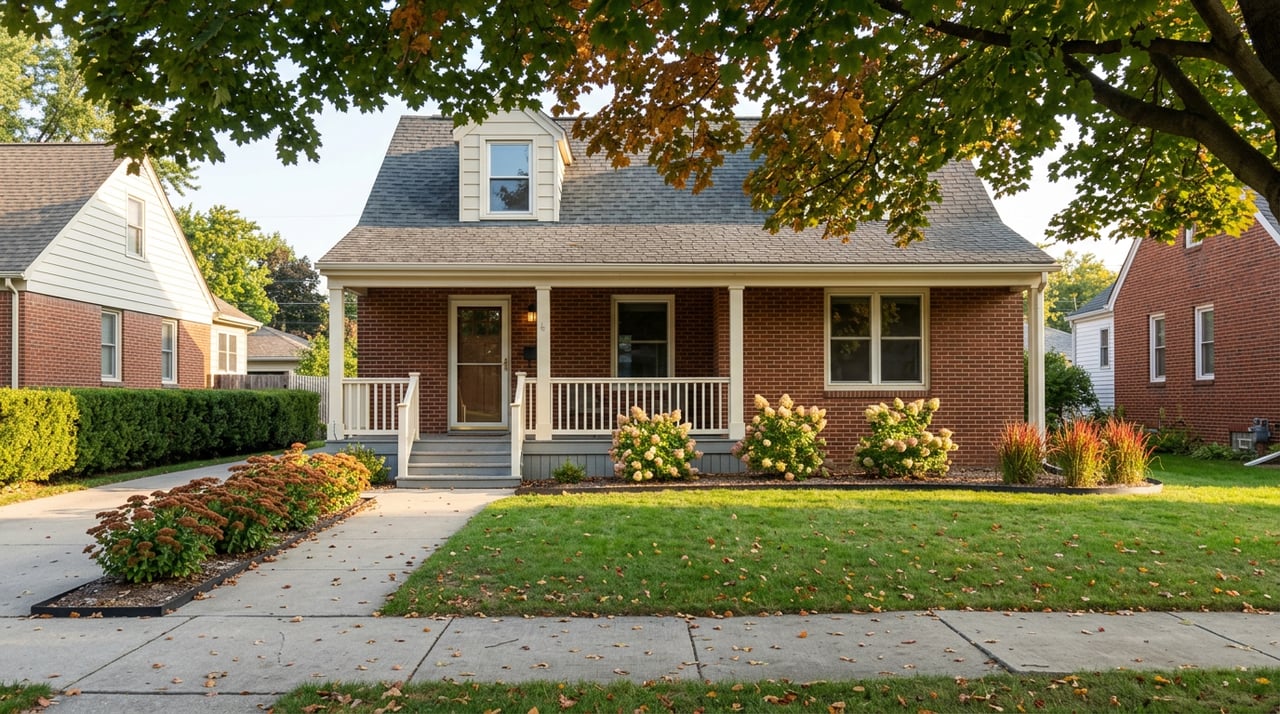
That setting shapes the housing experience. While attached ownership housing is part of the area’s land-use mix, Como Park is still dominated by single-family detached homes. In practical terms, that means condo and townhome options tend to feel more limited and scattered than in a dense urban condo market.
What the Housing Stock Means for Buyers
If you are shopping for a condo or townhome in Como Park, inventory may look different than you expect. The neighborhood plan notes that more than 80% of homes were built before 1960 and that there are virtually no vacant lots.
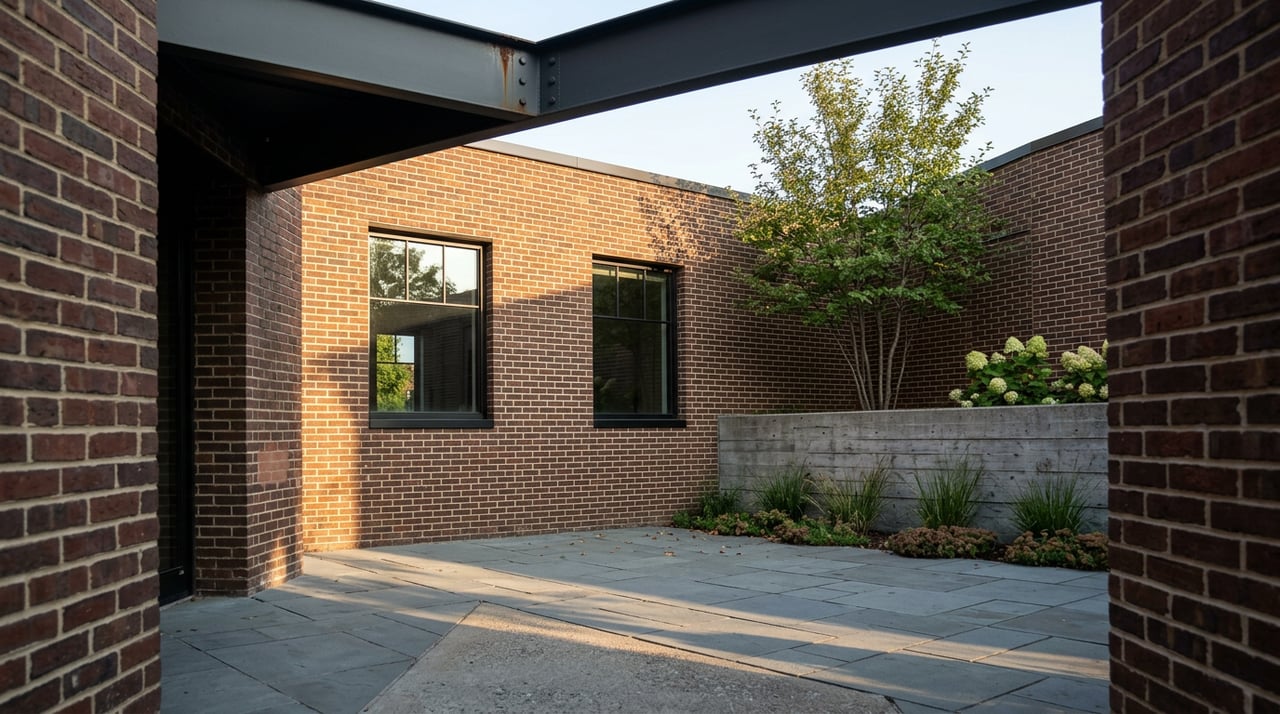
Because of that, redevelopment usually happens through reuse or replacement of existing structures rather than large-scale new construction. For buyers, that can make attached housing a practical way to enter the neighborhood without taking on a full single-family lot.
Expect a Low-Rise Setting
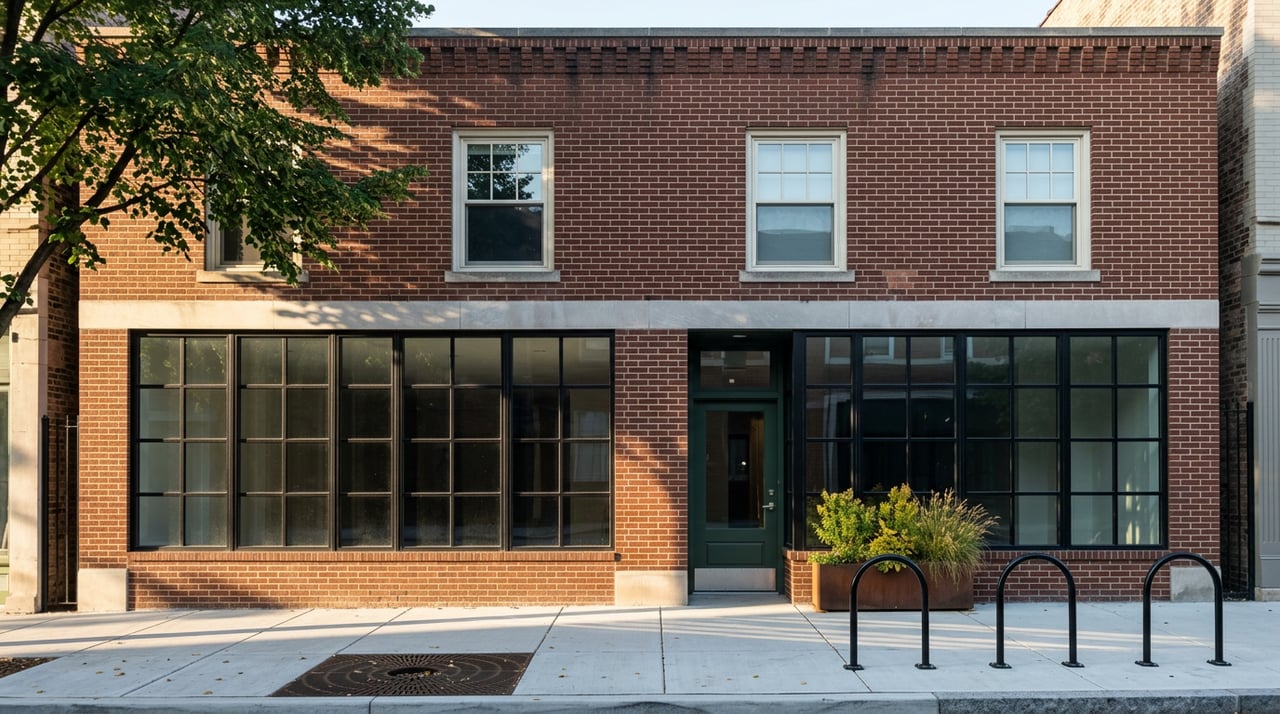
The neighborhood’s land-use pattern supports attached housing, but the overall character remains residential and relatively low-rise. The city plan specifically says redevelopment around Larpenteur should stay consistent with the surrounding residential scale and avoid new structures greater than two stories.
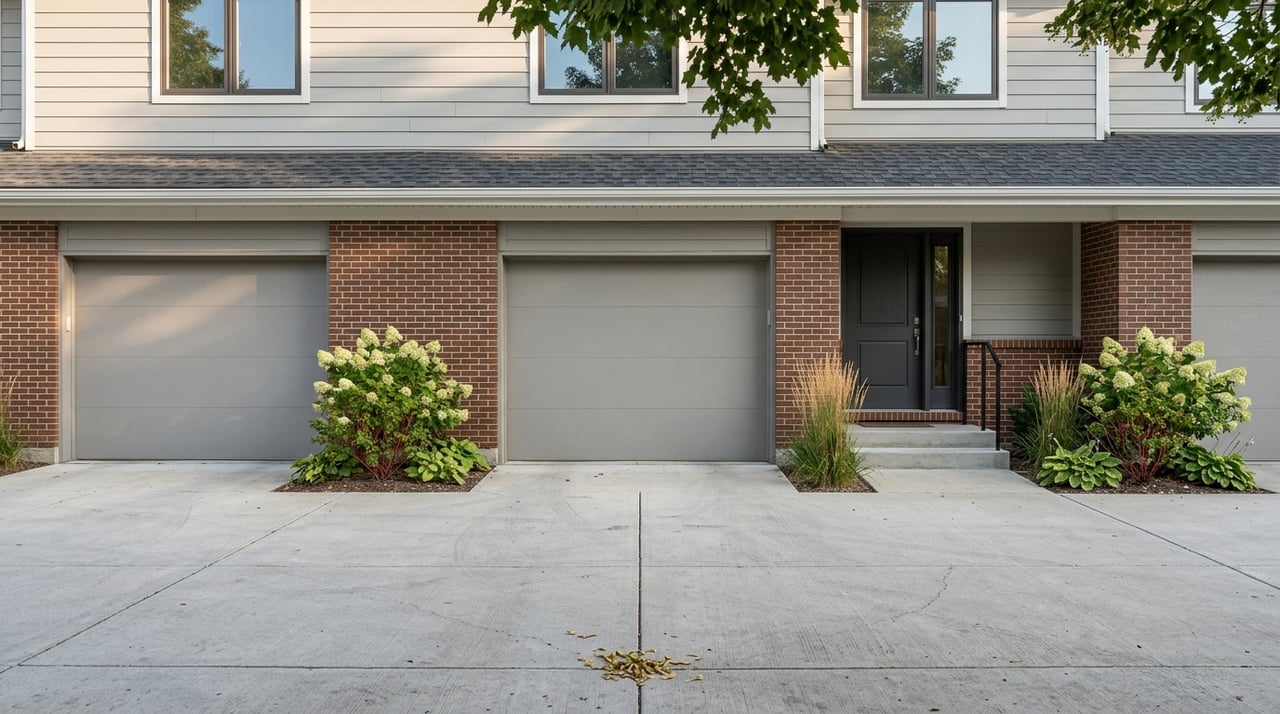
That matters if you are picturing a high-density condo district. In Como Park, condo and townhome living is more likely to feel integrated into a traditional residential area than separated into a large tower or major condo corridor.
How Condo and Townhome Ownership Works
One of the biggest reasons buyers consider a condo or townhome is the appeal of shared maintenance. In Minnesota common-interest communities, the association generally handles common elements while you handle your unit, unless the governing documents say otherwise.
That setup can reduce the amount of exterior upkeep you manage directly. At the same time, it also means you are buying into a shared system with monthly dues, rules, and board oversight.
What the HOA Usually Handles
Association responsibilities vary by property, but common elements are often maintained by the association. Minnesota law also requires boards in current common-interest communities to prepare a written preventative maintenance plan, a maintenance schedule, and a maintenance budget for common elements.
That is helpful for buyers because it creates a framework for ongoing upkeep. Still, you should never assume what is covered. The declaration and resale documents are what define the actual responsibilities for a specific property.
What You Still Need to Handle
Even when an association takes care of common areas, ownership is not hands-off. You are still responsible for your unit as defined by the governing documents, and your monthly housing costs include dues in addition to your mortgage, taxes, and insurance obligations.
You also trade some independence for predictability. A detached home may offer more control, while a condo or townhome often offers more shared structure around maintenance and upkeep.
Monthly Costs Matter More Than the List Price
A condo or townhome can look appealing on price alone, but the better comparison is your full monthly cost. Minnesota resale disclosure requirements help with this by giving buyers access to important association financial documents.
These documents can include the current budget, balance sheet, income and expense statement, reserve information, annual assessments, and any extraordinary expenditures already approved but not yet assessed. If you want to compare attached living with a detached home, this is where the real math starts.
Watch Reserves and Special Assessments
Minnesota law requires associations to budget for replacement reserves, keep reserve funds separate from operating funds, and reevaluate reserve adequacy at least every third year after the declaration is recorded. That is important because reserve planning affects how well a property is prepared for larger future expenses.
The law also limits special assessments to defined situations, such as emergencies, underfunded reserves, or certain unbudgeted capital expenses when allowed by the declaration. For you as a buyer, the key takeaway is simple: look beyond the dues amount and ask whether the association’s financial planning appears sustainable.
Why Lifestyle Is a Big Part of the Appeal
For many buyers, the real draw of Como Park townhome and condo living is location. Como Regional Park offers 2.3 miles of paved trails, picnic shelters, play areas, fields, a fishing pier, a non-motorized boat launch, and watercraft rentals.
Lake Como adds a 1.67-mile loop, shoreline walking, fishing access, and boating limited to car-top boats and electric trolling motors. The broader Como campus also includes the zoo and conservatory, golf, ski center, pool, carousel, and other park facilities.
Daily Access Can Change How You Live
When you live nearby, these amenities can become part of your normal routine rather than an occasional weekend destination. You may find it easier to fit in a walk, spend time by the lake, or enjoy park features without a long drive or heavy planning.
That kind of convenience is a real quality-of-life benefit. It is also one of the clearest reasons buyers are willing to accept the shared-ownership model that comes with condos and townhomes.
Transit and Connectivity in Como Park
If getting around matters to you, Como Park offers useful connections. Metro Transit’s Snelling & Como Station serves the A Line and connects to Route 3, and the neighborhood plan calls for continued improvements to pedestrian, bicycle, and transit connections near key corridors such as Como and Snelling.
For buyers who want options beyond driving everywhere, that can add flexibility. It may be especially useful if you are relocating to the Twin Cities and want a neighborhood that combines residential character with practical access.
The Tradeoff: Park Access and Event Activity
As appealing as the location is, it helps to go in with realistic expectations. The neighborhood plan notes that visitors to Como Regional Park can create traffic and parking problems, and it also mentions noise concerns tied to ComoTown and large park events.
If you are considering a unit near the park, this is not a reason to rule it out. It is simply something to evaluate carefully, especially if you value quieter surroundings or rely on easy guest parking.
Visit at Different Times
A smart step is to visit the area more than once. Try a weekday, a weekend, and if possible a time when park activity is higher.
That gives you a more complete feel for traffic patterns, parking pressure, and the rhythm of the area. In a neighborhood where park access is a major advantage, understanding the busy times is part of making a well-informed decision.
Questions To Ask Before You Make an Offer
Before you commit to a Como Park condo or townhome, make sure you review the association documents closely. In Minnesota, buyers should review the declaration, articles of incorporation, bylaws, rules and regulations, and the resale disclosure certificate.
Here are some of the most important questions to ask:
- What does the monthly HOA fee cover?
- Which items are the association’s responsibility and which are yours?
- How much is in replacement reserves?
- When were reserves last reevaluated?
- Are any special assessments or extraordinary expenditures already approved?
- What restrictions in the rules or bylaws could affect how you use the property?
- What insurance does the association carry, and what is the deductible?
- Which interior finishes or betterments are covered by the association’s policy versus your own policy?
- Are there any pending lawsuits or unsatisfied judgments listed in the resale certificate?
- If the property is near the park, how do event schedules, traffic, and parking affect daily life?
Why the Resale Certificate Matters
In Minnesota, the resale disclosure certificate is one of the most valuable documents in the process. It includes details such as annual and special assessments, unpaid charges, approved extraordinary expenditures, replacement reserves, the current budget, insurance information, pending lawsuits, and other material issues that could affect use or occupancy.
The certificate must be dated within 90 days of the purchase agreement or conveyance, whichever is earlier. That makes it an important snapshot of the association’s current condition, not just a generic overview.
Is Como Park Condo or Townhome Living Right for You?
If you want a heavily residential St. Paul neighborhood with strong park access, trail connections, and a lower-maintenance ownership model than a detached house, Como Park can be a compelling option. The lifestyle benefits are real, especially if you will actually use the lake, trails, and broader park amenities on a regular basis.
At the same time, this is not the same as buying a detached home. You need to be comfortable with monthly dues, shared decision-making, governing documents, and the possibility of special assessments depending on the association’s planning and finances.
The best choice usually comes down to fit. If you value location, convenience, and shared upkeep more than total autonomy, a Como Park condo or townhome may be exactly the right balance.
If you want help comparing condos, townhomes, and single-family options in St. Paul, Christian Klempp can help you evaluate the details, understand the documents, and make a confident move.
FAQs
What is condo and townhome living like in Como Park?
- Condo and townhome living in Como Park typically means a lower-maintenance ownership model in a mostly residential, low-rise neighborhood with strong access to Como Regional Park, Lake Como, and nearby transit connections.
What should buyers review for a Como Park condo or townhome?
- Buyers should review the declaration, articles of incorporation, bylaws, rules and regulations, and the Minnesota resale disclosure certificate to understand fees, reserves, insurance, restrictions, and any approved expenditures.
What do HOA fees usually cover in a Minnesota condo or townhome?
- HOA fees often support maintenance of common elements, but what is covered depends on the specific association documents, so you should confirm the exact division of responsibilities before making an offer.
Are special assessments possible in Como Park condos and townhomes?
- Yes. Minnesota law allows special assessments in defined situations such as emergencies, underfunded reserves, or certain unbudgeted capital expenses when the declaration allows.
What are the main lifestyle benefits of living near Como Regional Park?
- Buyers often value access to paved trails, the Lake Como loop, fishing areas, picnic spaces, boating access, and the broader Como campus with the zoo, conservatory, golf, ski center, pool, and other park features.
What are the tradeoffs of living near Como Regional Park in St. Paul?
- The area offers excellent park access, but the neighborhood plan also notes occasional traffic, parking challenges, and noise related to park visitors, ComoTown, and larger events.
Is Como Park a high-density condo neighborhood?
- No. Attached ownership housing exists in the neighborhood, but Como Park is still primarily made up of single-family detached homes, so condo and townhome inventory is generally more limited and scattered.