Curious what it’s really like to live in Lowry Hill? This central Minneapolis neighborhood stands out for more than its location. If you are drawn to historic homes, walkable daily routines, and easy access to parks and culture, Lowry Hill offers a lifestyle that feels both established and connected. Here’s a closer look at what makes the neighborhood distinctive, from its streetscape to its dining scene. Let’s dive in.
Lowry Hill at a Glance
Lowry Hill sits just west of downtown Minneapolis, bounded by I-394, I-94 and Hennepin Avenue, 22nd Street, and Lake of the Isles Parkway, Logan, and Morgan. Its history is closely tied to the electric streetcar expansion of the 1890s, which helped shape the neighborhood’s early growth along Hennepin Avenue and Douglas Avenue.
By 1900, Lowry Hill had developed the broad lawns, boulevard shade trees, and well-spaced homes that still define many of its streets today. That early pattern gives the area a residential feel that can surprise people who expect a more typical central-city setting.
Architecture Shapes the Neighborhood
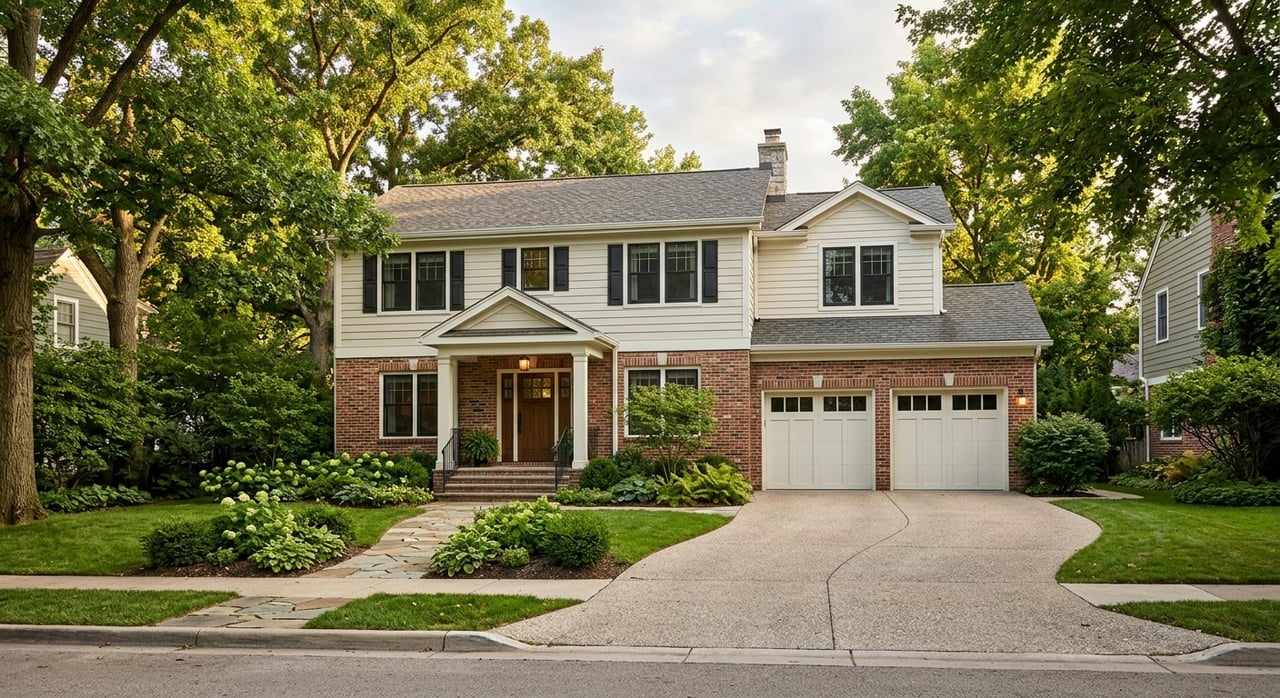
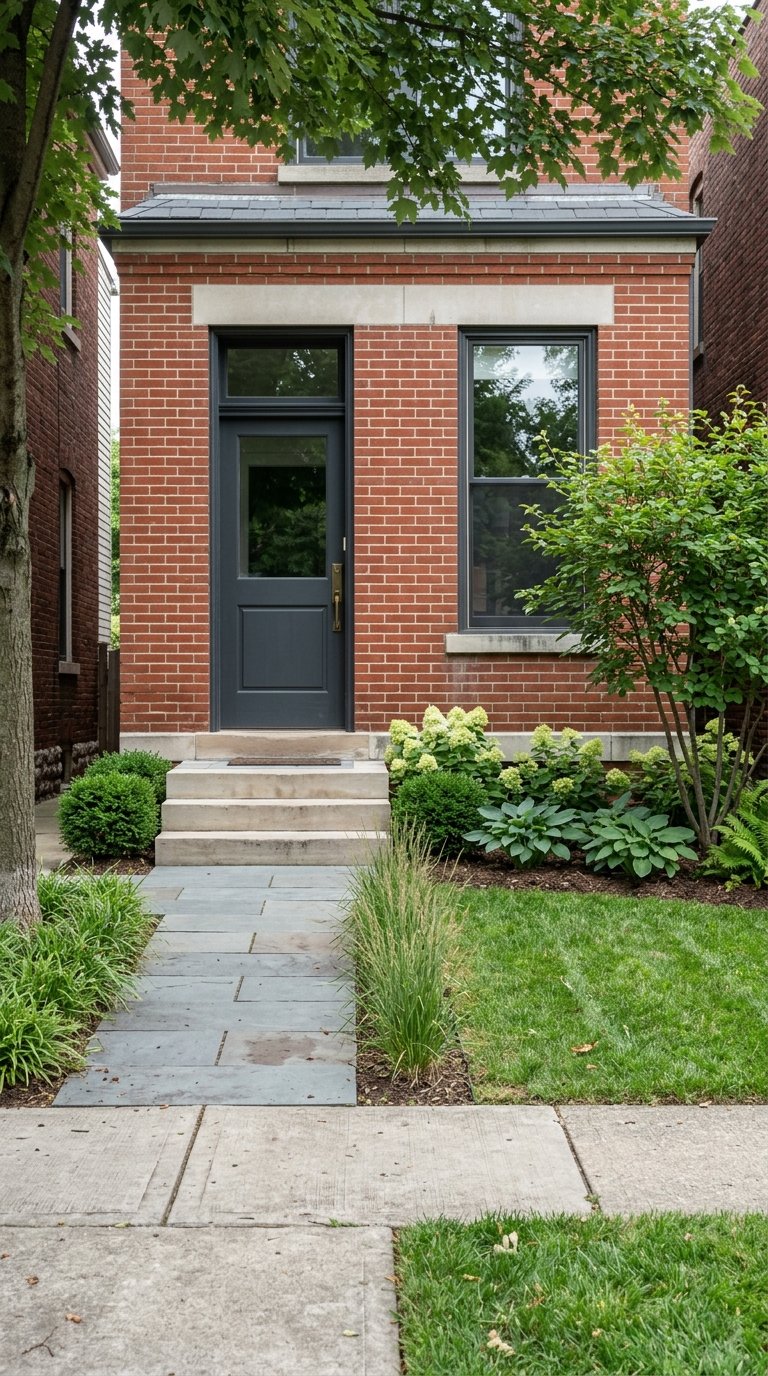
One of Lowry Hill’s clearest defining traits is its architecture. The neighborhood includes examples of Queen Anne, Georgian Revival, Colonial Revival, Tudor Revival, Prairie School, and Richardsonian Romanesque design, creating a built environment that feels layered and visually distinctive.
You can see that architectural range in local landmarks like the Gluek House, Lind House, Day House, Webster-Deinard House, Winton House, and the Long House. For buyers and sellers alike, that matters because the neighborhood is not a one-note housing stock. It is a place where design and historical character play a major role in how homes are perceived.
A Mix of Housing Types
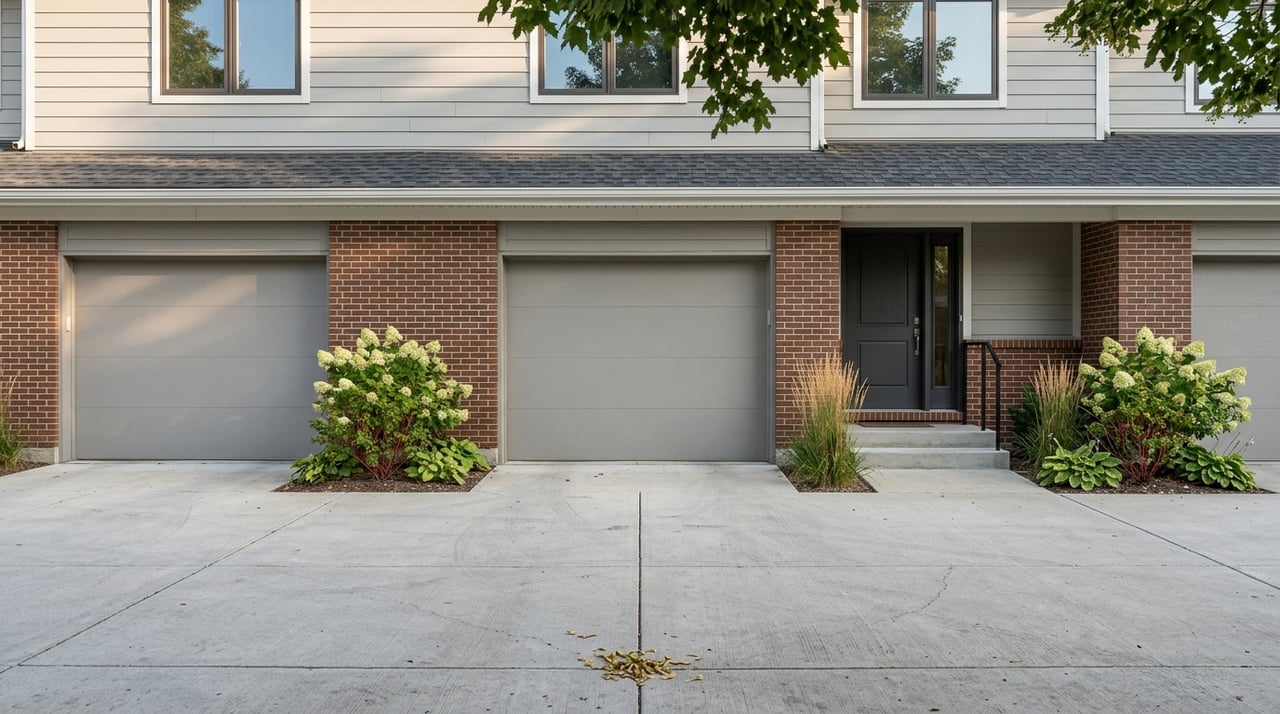
Lowry Hill is not only a neighborhood of large historic homes. The area also has a substantial renter presence, with the Lowry Hill Neighborhood Association’s 2024 snapshot reporting 55% renters and 40% homeowners. Apartment buildings added along Hennepin and Franklin after 1910 helped create that mix.
That combination gives Lowry Hill a broader housing profile than many people expect. Depending on where you look, you may find landmark-style single-family homes, condos, or multifamily buildings that support a more urban lifestyle.
What the Housing Market Feels Like
If you are trying to understand home values in Lowry Hill, it helps to avoid relying on any single number. Current pricing metrics vary by source, with Zillow reporting an average home value of $400,957 and a median list price of $735,300 as of April 30, 2026, Realtor.com reporting a median listing price of $875,000 with 35 homes for sale and 29 median days on market in March 2026, and Redfin reporting a median sale price of $396,867 for the three months ending May 2026.
The key takeaway is that Lowry Hill sits in a mixed-price niche within central Minneapolis. Some homes list at a premium because of their size, architecture, or location, while sold-price data can look lower because the neighborhood also includes condos and apartments. For anyone buying or selling here, context matters more than a headline figure.
Parks Add Everyday Breathing Room
Lowry Hill’s green spaces are a major part of its appeal. They help balance the neighborhood’s urban access with a calmer, more scenic feel that many residents value day to day.
Thomas Lowry Park is the neighborhood’s signature park. Located at 900 Douglas Ave. S., it includes a decorative fountain, brick walking path, paved walking trails, and benches. It is a relatively compact space, but it adds a lot to the neighborhood’s rhythm and visual character.
Nearby Outdoor Options
Kenwood Park expands the outdoor experience nearby. The park includes a walking path with views of Lake of the Isles, a playground, softball field, tennis court, and nearly 33 acres of parkland. It also includes the Park Board’s largest bank of public tennis courts.
Lowry Hill also benefits from close access to the broader Minneapolis lakes and parkways system. Lake of the Isles adds shoreline views and recreational appeal, while Parade Ice Garden, near Parade Park and the Minneapolis Sculpture Garden, offers open skating along with hockey and figure skating lessons.
For many residents, that means outdoor time can fit naturally into daily life. Whether you prefer a short walk, a longer scenic route, or a winter activity, the neighborhood is well positioned for it.
Walker Art Center Anchors Local Culture
Lowry Hill’s biggest cultural landmark is the Walker Art Center at 725 Vineland Place. The Walker describes itself as a multidisciplinary arts institution, and its campus includes gallery spaces, a theater, a cinema, and the adjacent Minneapolis Sculpture Garden.
That kind of cultural access is a meaningful part of living in Lowry Hill. Instead of treating arts and design as occasional destinations, you have them woven into the neighborhood experience. For residents who value creativity, architecture, and public spaces, that can be a major draw.
Small-Scale Retail With Personality
Lowry Hill’s retail scene is not large, but it is highly curated. The Walker shop offers books, vinyl, jewelry, furniture, tabletop items, design objects, and fragrance, while Groveland Gallery at 25 Groveland Terrace focuses on contemporary representational paintings, drawings, and prints in the historic Frank B. Long House.
You will also find specialty shops like Antiques Bel Air near Hennepin Avenue. The Lowry Hill Neighborhood Association business directory highlights a local-commercial mix that includes arts, food, and service businesses rather than a heavy chain retail presence. That gives the neighborhood a more personal and distinctive feel.
Dining in and Around Lowry Hill
Lowry Hill offers a dining scene that matches its character: polished in some places, casual in others, and easy to fold into everyday life. You are close to both special-occasion spots and neighborhood staples.
Café & Bar Lurcat, at 1624 Harmon Place, is positioned next to Loring Park and known for a design-forward setting. P.S. Steak, at 510 Groveland Avenue, presents itself as a modern elevated steakhouse with valet parking and a seasonal menu.
Easy Everyday Stops
For daily routines, several local favorites help make the area feel livable and convenient. Sebastian Joe’s serves ice cream and scratch-made treats at Franklin and Hennepin. Spyhouse Uptown, at 2404 Hennepin, operates from a 1909 brownstone with exposed brick, tin ceilings, and Americana antiques.
Lowry Hill Liquors at 1922 Hennepin is family-owned and offers delivery, carry-out, tastings, and event support. Sisyphus Brewing, at 712 Ontario Avenue W. #100, adds another casual option nearby.
Taken together, these businesses support a walkable neighborhood pattern. Coffee, dessert, dinner, gallery visits, and errands can all sit close to home, even when some of the strongest options are just outside the formal neighborhood boundary.
Why Lowry Hill Feels Different
What makes Lowry Hill stand out is how well its pieces fit together. Historic architecture, park access, local businesses, and major cultural institutions all reinforce the same overall identity. It feels residential without feeling isolated, and connected without feeling overly hectic.
That can be especially appealing if you want central Minneapolis access but also care about streetscape, design, and everyday quality of life. Lowry Hill is not just about being near amenities. It is about living in a neighborhood where those amenities support a distinct sense of place.
What Buyers and Sellers Should Notice
If you are buying in Lowry Hill, it helps to look beyond price-per-square-foot comparisons alone. Architecture, lot setting, landmark status, and proximity to parks or cultural anchors can all shape value differently here than in a more uniform neighborhood.
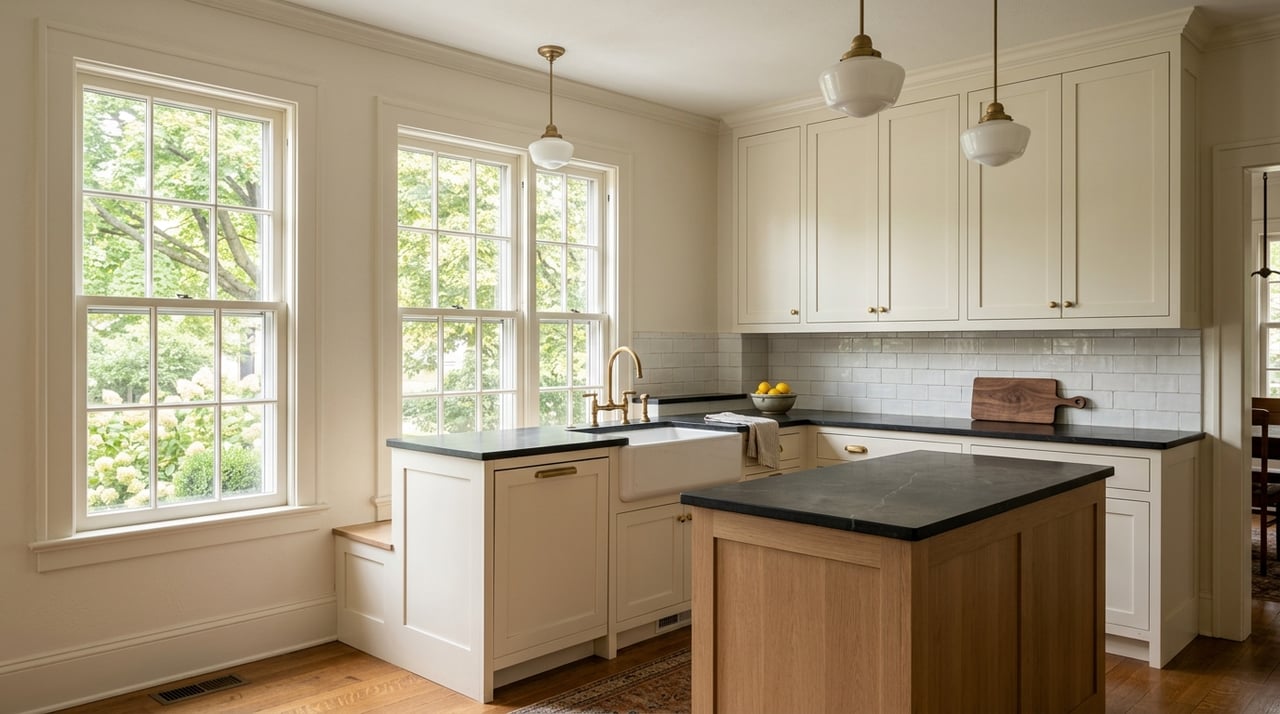
If you are selling, presentation matters. In a neighborhood known for design and character, buyers often respond strongly to details like period features, natural light, landscaping, and the overall story of the home. Lowry Hill tends to reward thoughtful positioning.
Whether you are exploring a move, preparing to list, or simply trying to understand where Lowry Hill fits in the Minneapolis market, having local context can make a big difference. If you want tailored advice on buying or selling in Lowry Hill, connect with Christian Klempp for a personalized consultation.
FAQs
What is Lowry Hill known for in Minneapolis?
- Lowry Hill is known for its historic architecture, access to parks, proximity to Lake of the Isles, and major cultural destinations like the Walker Art Center and Minneapolis Sculpture Garden.
What kinds of homes are in Lowry Hill?
- Lowry Hill includes a mix of architecturally distinctive single-family homes, condos, apartments, and multifamily buildings, with styles such as Queen Anne, Georgian Revival, Tudor Revival, Prairie School, and Richardsonian Romanesque.
What parks are near Lowry Hill?
- Thomas Lowry Park is located within the neighborhood, and nearby options include Kenwood Park, Lake of the Isles, and Parade Ice Garden for walking, recreation, and seasonal activities.
What is the dining scene like in Lowry Hill?
- The neighborhood offers a mix of upscale dining and casual everyday spots, including Café & Bar Lurcat, P.S. Steak, Sebastian Joe’s, Spyhouse Uptown, Lowry Hill Liquors, and Sisyphus Brewing.
Is Lowry Hill walkable for daily errands and outings?
- Lowry Hill supports a walkable lifestyle with nearby coffee, dining, specialty retail, parks, and cultural attractions, though some popular destinations sit just beyond the formal neighborhood boundary.
How should buyers evaluate home prices in Lowry Hill?
- Buyers should use a broad view of pricing because listing and sale metrics vary by source, and the neighborhood includes both high-end historic homes and a substantial condo and apartment base.