Thinking about whether to keep renting or finally buy near West Seventh? You are not alone. With older homes full of character, convenient access to downtown Saint Paul, and steady rental demand, the choice is not always obvious. In this guide, you will get a simple framework to compare costs, timing, and risk so you can decide what makes sense for you. Let’s dive in.
West Seventh snapshot
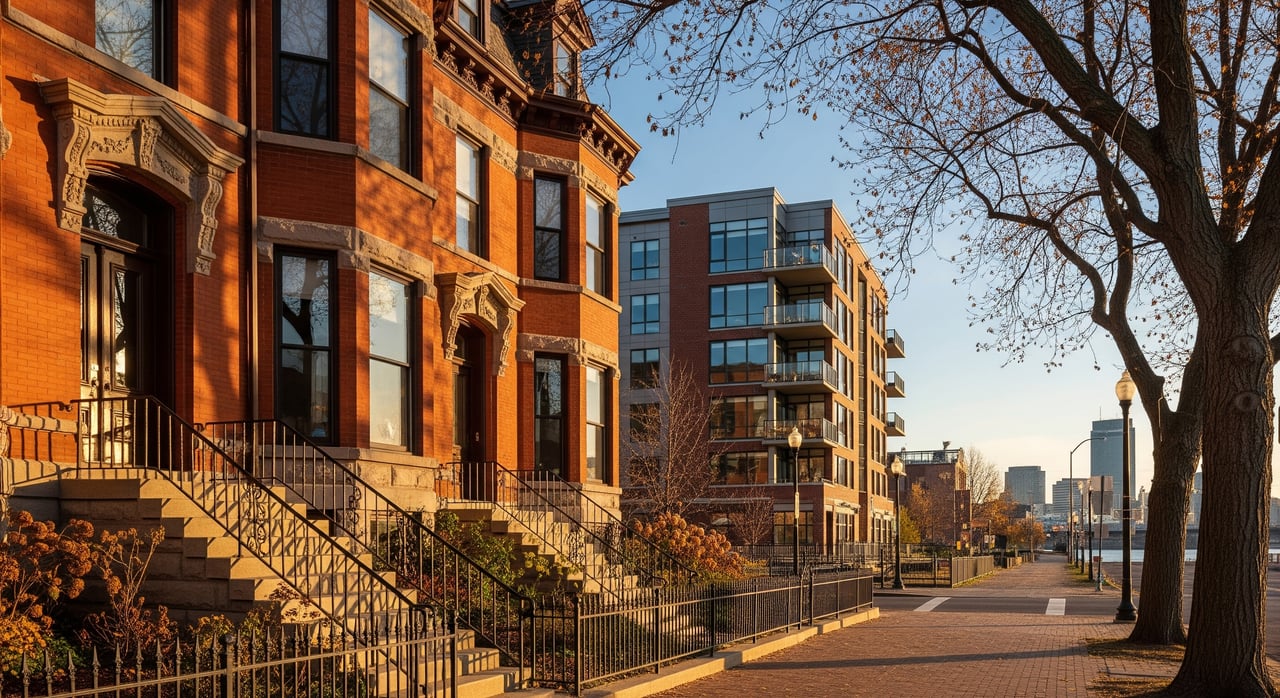
West Seventh is a mature Saint Paul neighborhood with older single-family homes, rowhouses, duplexes and triplexes, and a handful of condo conversions. You are close to downtown jobs, the riverfront, hospitals, and transit, which keeps both rental and buyer demand strong. Renters often value flexibility and walkability, while buyers tend to prioritize longer stays, historic character, and the option to owner-occupy smaller multi-unit properties.
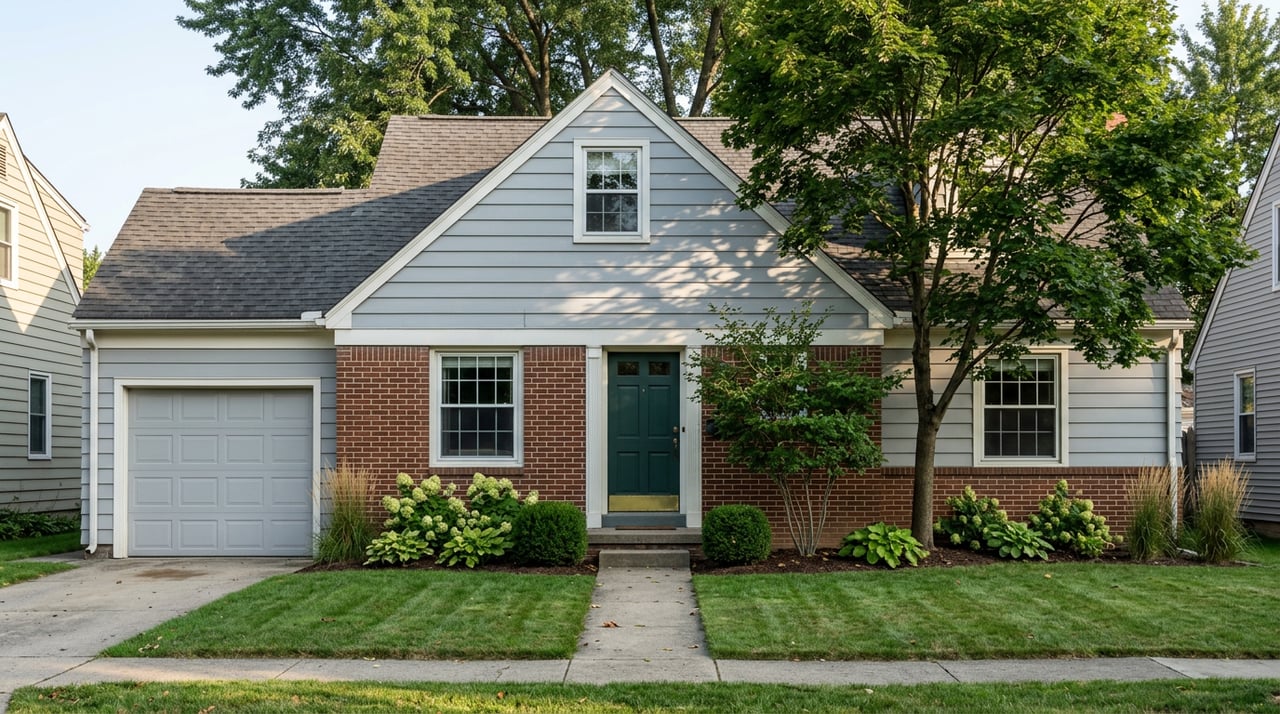
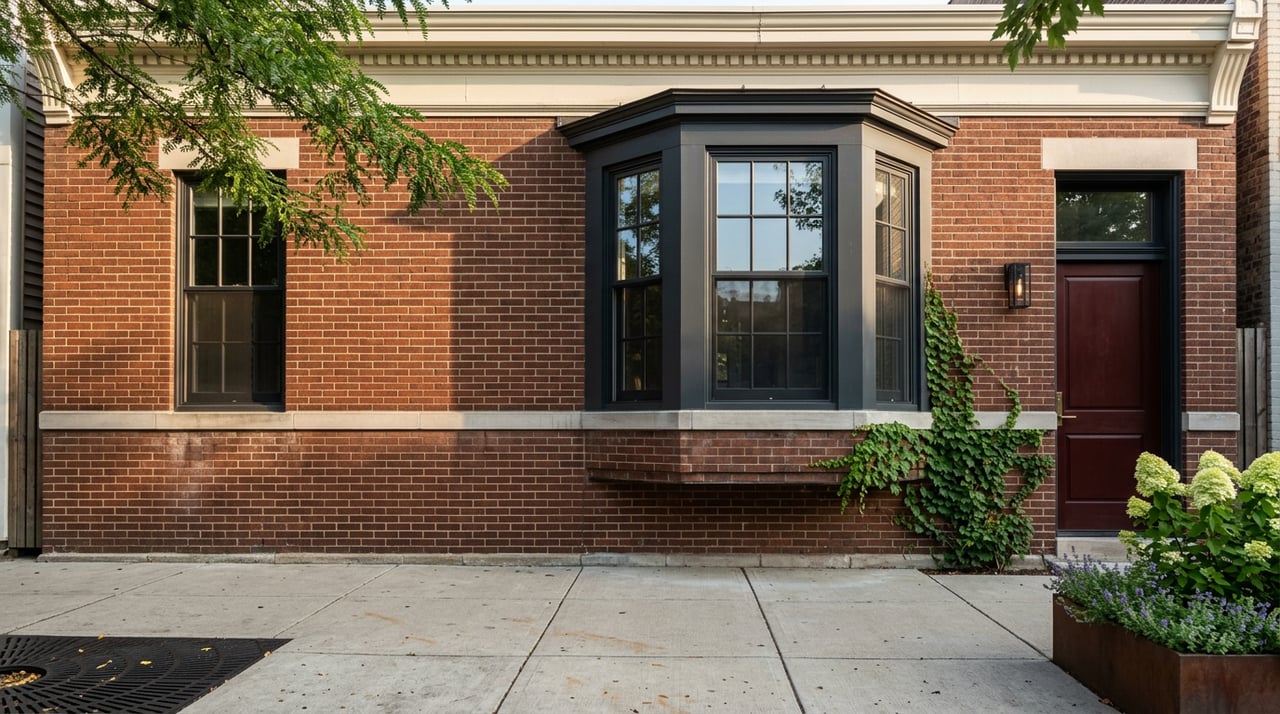
Housing types you will commonly see include early-20th-century single-family homes, duplexes and triplexes that can work for house-hacking, and low-rise apartments. A small number of new infill buildings along commercial corridors add to the supply mix.
What to watch in today’s market
Local numbers shift month to month, so use the most recent data before you decide. Track a few key indicators and date your sources.
- Sales market: median sale price by property type, price per square foot, months of supply, and days on market.
- Rental market: median rent by bedroom count, vacancy, and year-over-year rent growth.
- Mortgage rates: recent 30-year fixed averages and their trend. You can find a current read from the Freddie Mac Primary Mortgage Market Survey.
If you need help pulling the latest Saint Paul or West Seventh figures, ask for a current snapshot with a clear timestamp before making a move.
Rent vs. buy rules of thumb
Before diving into details, start with two quick metrics and a timeline check.
- Price-to-rent ratio (PRR): home price divided by annual rent. Under about 15 often favors buying. Over about 20 often favors renting. Between 15 and 20 is a gray area.
- Rent-to-price ratio: annual rent divided by price. Below 6 percent can make buying relatively more attractive. Above 8 to 10 percent suggests stronger rental value.
- Holding period: if you plan to stay fewer than 3 to 5 years, renting often wins because transaction costs from buying and selling are high. Longer stays give buying more time to work in your favor.
Hypothetical example
This is purely illustrative. If a typical home is $350,000 and a comparable apartment rents for $1,500 per month, the PRR is $350,000 divided by $18,000, which is 19.4. That sits in the gray-to-rent-leaning zone by the rule of thumb. Your real numbers may differ, so plug in current West Seventh prices and rents before deciding.
Monthly cost comparison
Compare monthly apples to apples. For buying, include the full PITI payment and realistic upkeep. For renting, include utilities not covered by the landlord and parking if applicable.
- Renting monthly: base rent, renter’s insurance, utilities and parking not included in the lease.
- Buying monthly: principal and interest at today’s rate, property taxes, homeowner’s insurance, HOA or condo fees if applicable, plus a maintenance reserve. A common starting point for older homes is about 1 percent of the purchase price per year spread monthly.
Upfront costs differ too. Renting typically requires first month’s rent and a security deposit. Buying requires a down payment, closing costs, and prepaid items. If your down payment is below 20 percent, factor in private mortgage insurance until you reach sufficient equity.
Break-even timeline
Buying makes more sense when you expect to stay long enough to overcome transaction costs and benefit from potential appreciation.
- 3 years: renting often wins due to closing costs on the purchase and selling side if you move again quickly.
- 5 years: closer call that depends on rate, taxes, HOA fees, rent inflation, and price growth.
- 7 to 10+ years: buying more often pulls ahead if you maintain the property and the market is stable.
Use a buy-versus-rent calculator approach that includes closing costs, interest, property taxes, insurance, maintenance, expected appreciation, and rent inflation. Run a few timelines to see your break-even point.
Local factors that tip the scale
Property taxes in Saint Paul
Property taxes are a meaningful part of your monthly payment. Ramsey County bills include county, city, school district, and special levies, and values are reassessed annually. Get familiar with your estimated bill using the county’s property tax resources and budget accordingly.
Mortgage rates and buying power
Your rate can change your monthly payment and qualifying amount significantly. Track current trends on the Freddie Mac PMMS and talk to a local lender about your specific credit profile and options.
Maintenance for older homes
West Seventh’s older housing stock can require more upkeep. Use the 1 percent per year rule as a baseline and consider an inspection, roof and foundation checks, sewer line assessments, and energy efficiency updates. A realistic maintenance line item helps you avoid surprises.
Floodplain and insurance
Proximity to the river can require additional coverage. Confirm whether a property sits in a flood zone using the FEMA Flood Map Service Center and price out flood insurance if needed before you finalize your math.
Flexibility versus stability
If you expect a job change or lifestyle shift in 1 to 3 years, the flexibility of renting can have real value. If you want to plant roots, lock in housing costs, or owner-occupy part of a duplex, buying may align better with your goals.
Programs that can help you buy
You do not have to do this alone. Minnesota and Saint Paul offer programs that can reduce your upfront costs.
- Down payment and closing cost loans: Review options from Minnesota Housing for homebuyers. These programs often have income and purchase price limits.
- City resources: Explore the City of Saint Paul’s homeowner resources for local assistance and guidance.
Ask about eligibility, limits, and whether assistance is structured as a deferred loan or forgivable grant. Pair these programs with a strong pre-approval so you can act quickly when a good home hits the market.
Renter protections and landlord rules
If you decide to rent longer, know your rights and responsibilities. Minnesota’s landlord-tenant laws are state-level, with some local ordinances in Saint Paul. For a clear overview of leases, deposits, repairs, and evictions, read the Minnesota Attorney General’s Landlords and Tenants handbook.
How to gather your West Seventh numbers
Use this quick checklist to assemble current inputs and see your outcome in black and white.
- Get today’s 30-year fixed rate and total monthly payment at your target price from your lender. Cross-check rate trends on the Freddie Mac PMMS.
- Estimate property taxes using Ramsey County’s property tax resources and the home’s assessed value.
- Price homeowner’s insurance and, if relevant, flood insurance using the FEMA map tool to confirm flood status.
- Set a maintenance reserve, especially for older homes, starting around 1 percent of price per year.
- Pull current rents for comparable units. As a baseline reference, review HUD Fair Market Rents for Ramsey County, then compare with local property manager listings for your exact unit type and condition.
- Decide your holding period and run 3-, 5-, 7-, and 10-year scenarios to find your break-even point.
Decision checklist
Before you commit, pause on three questions.
- How long do you expect to stay in West Seventh? Short horizon favors renting; longer horizon can favor buying.
- Are you financially ready? You will want a stable payment, emergency reserves, and a maintenance cushion.
- Which lifestyle fits now? Flexibility and low commitment, or stability and the potential to build equity over time?
Next steps
If you want a clear, current comparison tailored to your budget and timeline, connect with a local advisor who knows West Seventh’s housing types, price points, and rental trends. As an advisor-first agent backed by Compass tools, Christian can walk you through rates, taxes, and maintenance assumptions, then line up homes or rentals that fit. When you are ready, schedule a conversation with Christian Klempp to map your plan.
FAQs
What is the price-to-rent ratio and how do I use it in West Seventh?
- Divide a typical home price by annual rent for a similar home; under about 15 can favor buying, over about 20 can favor renting, and 15 to 20 is a judgment zone where your timeline and costs matter most.
How long should I plan to stay for buying to make sense?
- Many buyers aim for at least 5 to 7 years to offset transaction costs and give appreciation time to work; shorter horizons often favor renting.
How do Saint Paul property taxes affect my monthly payment?
- Property taxes are part of your monthly housing cost; estimate them early using Ramsey County’s property tax resources and include them in your PITI calculation.
Are there first-time buyer programs I should explore?
- Start with Minnesota Housing homebuyer programs and the City of Saint Paul’s homeowner resources to see down payment and closing cost options and eligibility basics.
What local risks should I review before buying near West Seventh?
- For older homes, budget realistically for maintenance and confirm flood status on the FEMA Flood Map Service Center; also review taxes, potential special assessments, and traffic exposure before you buy.