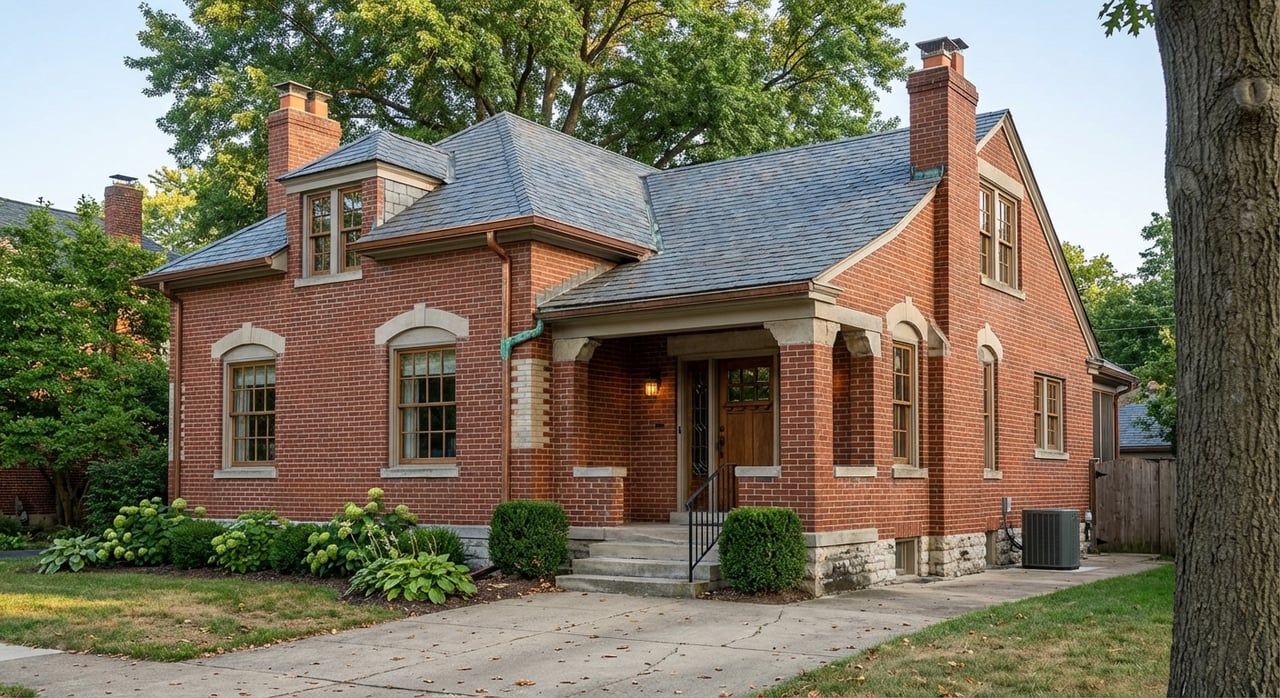
If Summit Avenue’s grand porches and leafy blocks have captured your heart, you are not alone. Buying in Summit Hill is about more than square footage. You are stepping into one of Saint Paul’s most storied neighborhoods, where historic character and thoughtful stewardship meet day-to-day living. This guide shows you how to read the market, navigate preservation rules, plan inspections, and budget smartly so you can purchase with confidence. Let’s dive in.
Summit Hill at a glance
Summit Hill sits within Saint Paul’s District 16 and includes Summit Avenue plus adjacent Crocus Hill and Grand Hill. The area holds one of the longest intact stretches of Victorian and early 20th-century houses in the country, with several National Historic Landmarks and large National Register districts. Local neighbors are active stewards of this legacy through groups like the Summit Hill Association. That civic engagement supports planning and preservation while keeping the area’s distinct sense of place.
Prices and how to read them
Recent data providers show a range for typical values in Summit Hill. Early 2026 figures put the median sale price around roughly $637,000, while a late 2025 index of typical values is closer to about $520,000. Methodology explains the gap: one measures actual recent sales, the other models value across the whole housing stock. Treat these as guideposts, then refine your offer strategy with current MLS comparables on the specific block and property type.
Nearby historic enclaves like Macalester-Groveland, Cathedral Hill, and Merriam Park show similar character with different building mixes and price bands. Street-by-street differences matter in these older areas. If you love a particular style or lot setting, check several recent sales within a tight radius to ground expectations.
Preservation rules that shape projects
Summit Hill overlaps locally designated heritage districts and National Register districts. In local Saint Paul districts, exterior changes that affect public views typically require review by the Heritage Preservation Commission (HPC) and a Certificate of Appropriateness. The City’s permitting team can direct you to the right process and timelines through its Building and Construction guidance.
Exterior changes and approvals
Plan for review if your scope touches character-defining features. That includes front-facing material changes, large additions, demolition, and replacement of distinctive elements like original windows, porches, slate roofs, or masonry. Ordinary like-for-like repairs are often simpler than replacements. When in doubt, contact HPC staff early to confirm what needs review and what can proceed under standard permits.
What it means for time and budget
Approvals can influence your project schedule, design choices, and bids. Before you write an offer, pull the property’s permit history and check for any preservation easements or prior HPC conditions using Ramsey County records. If you plan visible exterior work, add a timeline buffer for design review and contractor lead times, especially for specialized trades.
Street changes to watch
Public projects can shape your daily experience. For example, Summit Avenue’s redesign discussions have included features like a raised bikeway, tree impacts, and curbside parking changes. Following recent coverage helps you understand what may be coming to the streetscape. You can review a summary of the plan’s approval and debate in Twin Cities media such as Axios on the Summit Avenue redesign.
Historic tax incentives: where they apply
Federal program
You may hear about a 20% Federal Historic Rehabilitation Tax Credit. It applies only to certified historic structures used for income-producing purposes, such as rental or commercial. Owner-occupied primary residences do not qualify. If you are considering a conversion to income-producing use, learn more through the National Park Service’s overview of historic tax incentives, and plan early with the State Historic Preservation Office.
Minnesota program
Minnesota’s Historic Structure Rehabilitation Tax Credit parallels the federal program and can offer a refundable or transferable 20% credit or grants on eligible income-producing projects. Applications run through the Minnesota SHPO, and projects must meet specific standards and approvals. Start with SHPO’s guidance on the state historic tax credit, especially if you are evaluating a multifamily or mixed-use purchase.
Inspections that protect you
Older homes reward careful due diligence. Beyond a full home inspection by someone experienced with historic properties, line up specialists as the house requires. Common add-ons include a structural engineer, licensed electrician, chimney and masonry contractor, roofing contractor familiar with historic materials, HVAC specialist, sewer scope, radon test, and licensed lead and asbestos sampling. For a sense of scope and best practices on inspection planning, see this overview from InterNACHI’s training materials on home inspection success.
Common Summit Hill house issues
Electrical systems
Pre-war homes sometimes retain knob-and-tube or ungrounded wiring. Insulation around old conductors and today’s load demands can increase risk. Some insurers and lenders require updates. A licensed electrician should evaluate capacity, safety, and a realistic upgrade path.
Masonry and foundations
Many Summit Hill houses feature historic brick and lime-based mortars. Repointing with hard Portland cement mortars can damage softer historic brick. If you see spalling, powdery mortar, or efflorescence, bring in a masonry specialist who follows preservation standards. The National Park Service’s Preservation Brief on mortar selection outlines appropriate methods for repointing historic masonry.
Windows, porches, and roofs
Original wood windows, leaded glass, decorative trim, slate roofs, and copper flashing define a home’s character and value. In many cases, repair with targeted weatherization outperforms wholesale replacement on cost and performance while aligning with preservation goals. For strategies that balance efficiency and character, review NPS guidance on weatherization of historic windows and doors.
Hazardous materials and indoor air
Homes built before 1978 may have lead-based paint, and historic insulating or flooring materials can contain asbestos. Radon testing is recommended in Minnesota. Plan testing with licensed professionals and understand the disclosure and work-practice rules in the EPA’s overview of the Renovation, Repair and Painting program.
Ownership costs and smart upgrades
Annual maintenance planning
Historic homes typically ask for more hands-on care than newer construction. Budget for regular painting, mortar repointing, slate or metal roof patching, porch repairs, and storm window tune-ups. A planning figure used by many homeowners is up to about 4% of the home’s value per year for an older property. Adjust based on the inspection findings and any immediate projects.
Energy improvements
You can improve comfort and efficiency while honoring historic fabric. Attic insulation, HVAC upgrades, and interior or exterior storm windows are often compatible with preservation standards. Larger exterior changes like window replacements or solar can be possible with careful design and early HPC consultation. The NPS guidance on weatherization of historic buildings is a helpful starting point.
Insurance and financing
Older systems and materials may affect underwriting, from wiring to roofing and heat sources. Confirm your insurer’s and lender’s requirements during the inspection window to avoid last-minute hurdles. The City’s Building and Construction resources can help you understand which upgrades require permits and how to document work properly.
Buyer checklist for Summit Hill
- Pre-offer research
- Verify if the property sits within a local heritage district and ask for prior permits, COAs, or preservation easements. Search Ramsey County records and the City’s permit portals.
- Pull tight-radius comparables through your agent and cross-check several data sources to understand the range for the block and property type.
- Inspection contingency
- Book a full inspection with historic experience and add specialists based on age and visible conditions. Get written estimates for major items before you remove contingencies.
- Regulatory due diligence
- If you plan exterior changes, contact Heritage Preservation staff early. If the scope touches character-defining features, expect an HPC review and build time into your plan.
- Negotiation levers
- Use inspection findings, documented permit history, and any hazardous materials reports to negotiate credits, seller repairs, or escrow for deferred work. Keep everything in writing.
- Post-closing plan
- Prioritize safety first: electrical, roofing, drainage, and chimney. Document contractor scopes and warranties, set a seasonal maintenance calendar, and revisit long-lead projects each year.
How I help you buy in Summit Hill
You deserve clear guidance in a neighborhood where history and market value intersect. As a full-service advisor backed by Compass, I help you price with precision, structure a durable offer, and plan inspections that match the age and complexity of the home. If you are considering targeted upgrades before move-in, I can advise on sequencing and, when selling later, help you leverage Compass Concierge for value-adding improvements with a streamlined process. My goal is a smooth, informed purchase that honors the home’s character and protects your investment.
If you are ready to explore homes on or near Summit Avenue, let’s connect and align your search, budget, and timeline. Schedule a consultation with Christian Klempp.
FAQs
What makes Summit Hill unique in Saint Paul?
- Summit Hill includes Summit Avenue and nearby hills, with one of the nation’s longest preserved stretches of Victorian and early 20th-century homes and active local stewardship.
Do I need city approval to change windows or the front facade?
- If the property is in a local heritage district, exterior changes that are visible from the street usually require HPC review and a Certificate of Appropriateness through the City’s Building and Construction process.
Do historic tax credits apply to an owner-occupied house?
- Federal and Minnesota historic tax credits generally apply to income-producing properties, not owner-occupied primary residences, and require NPS and SHPO approvals.
Which inspections are most important for an older Summit Hill home?
- In addition to a full home inspection, plan for specialists such as a structural engineer, licensed electrician, chimney and masonry contractor, sewer scope, radon test, and licensed lead and asbestos testing.
Could the Summit Avenue redesign affect my block?
- The redesign could influence elements like bikeways, trees, and curbside parking along parts of Summit Avenue, so monitor recent coverage and city updates when planning a purchase or project.
How much should I budget for annual maintenance on a historic home?
- A common planning figure is up to about 4% of home value per year for older houses, adjusted by your inspection findings and the home’s current condition.