Thinking about selling in Highland Park but not sure when to list? Timing can influence how fast you sell, how many buyers see your home, and your final sale price. You want a smooth move and a strong outcome without guessing. In this guide, you’ll learn seasonal patterns in St. Paul, which local metrics matter, a ready-to-use prep timeline, and how to adapt when rates or inventory shift. Let’s dive in.
Why timing matters in Highland Park
Highland Park is an established St. Paul neighborhood with strong appeal for buyers who value character, convenience, and proximity to parks and local amenities. That buyer mix often includes families, professionals, and downsizers. Many of these buyers aim to move between school years, which helps drive spring and early summer demand.
Minnesota’s climate also shapes the calendar. Winters are cold, and early spring can be snowy, which tends to delay the rush until April through June. That makes late spring and early summer a prime window to capture more showings and stronger offers.
Seasonal patterns to know
Understanding seasonality helps you decide when to go to market. While every year is different, here are the general patterns sellers in Highland Park should consider.
Spring wins for exposure
April through June usually brings the most consistent buyer traffic. Warmer weather and longer days boost touring, and motivated buyers act fast. Inventory also rises as many sellers aim for this window, so you’ll see more competition. Well-prepared homes often sell quicker with higher list-to-sale ratios in this period.
Early summer keeps momentum
June into July typically extends the spring wave. Families prefer to buy and move during summer break, and late June can be strong for accepted offers. July may soften slightly due to vacations, but demand remains active.
Late summer and early fall window
August and September can offer a secondary window. Buyers who want to settle before school starts are motivated, and there are often fewer competing listings than in peak spring. Negotiability varies, but urgency can work in your favor.
Fall and winter tradeoffs
Activity drops in October and November, then again in December through February. If you list in winter, you may face a smaller buyer pool, but you’ll also compete with fewer listings. Motivated buyers still shop in colder months, and tight inventory can support a quick sale if pricing and presentation are on point.
Data to confirm your timing
Before you pick a date, look at neighborhood-level trends rather than only city or metro averages. Aim for at least three years of monthly Highland Park data and compare it to St. Paul and the Twin Cities metro. Focus on:
- New listings and active inventory
- Closed and pending sales
- Median sale price and price per square foot
- Average or median days on market
- List-to-sale price ratio
- Breakdowns by property type and price band
Create a simple seasonality index. For each month, divide that month’s value by the average month over a three-year period. This shows how each month performs relative to a normal baseline. Then compare Highland Park’s pattern to St. Paul and the broader metro to see if the neighborhood behaves differently.
Factors that can override seasonality
Seasonality is useful, but it’s not the whole story. Keep an eye on:
- Mortgage rates and credit conditions. Rising rates can cool demand in any month, while rate cuts or better programs may spark buyer activity unexpectedly.
- Inventory shocks. New developments, investor sell-offs, or condo conversions can change the supply picture quickly.
- Local economic shifts. Employer expansions or contractions and policy changes can influence demand.
- School and university calendars. Academic schedules can drive timing in neighborhoods with many school-related buyers.
- Weather or infrastructure events. Major road work or flooding can slow activity.
Timing strategies by goal
Your best timing depends on your priorities. Here are practical approaches that fit common seller goals in Highland Park.
Maximize price and exposure
- Target late April through June. Buyer traffic is traditionally strongest in Minnesota during this stretch.
- Prepare listing materials in late winter so you can move fast when the market accelerates.
- Price to the most recent comparable sales and active competition. Use neighborhood-level comps, not just city-wide numbers.
Sell quickly with less competition
- Consider winter listing. Buyer traffic is lower, but so is inventory. Serious buyers are out there, and you may face fewer competing listings.
- Expect potentially more negotiation. Trusted pricing and clean presentation become even more important.
Move around school schedules
- List in early spring to secure a contract that closes in mid to late summer.
- Align your sale and purchase timelines if you are also buying. Clear dates reduce stress.
When indicators look unfavorable
- If rates are up and inventory is rising, make strategic improvements, adjust pricing, or consider waiting if your timeline allows.
- Lean on strong presentation to stand out. High-quality photos, floor plans, and turnkey condition reduce perceived risk for buyers.
Seller preparation timeline
Use this simple checklist to hit the market at full strength.
8 to 12 weeks out:
- Meet with a local agent for a neighborhood-level comparative market analysis.
- Order a pre-listing inspection and plan repairs that matter most.
- Map your timeline. If you target late April to June, start this process in winter.
4 to 8 weeks out:
- Complete cosmetic updates with high ROI. Painting, lighting, hardware, and minor repairs go a long way.
- Declutter and deep clean. Start packing non-essentials.
- Schedule professional photography and floor plans for a sunny day if possible.
1 to 2 weeks out:
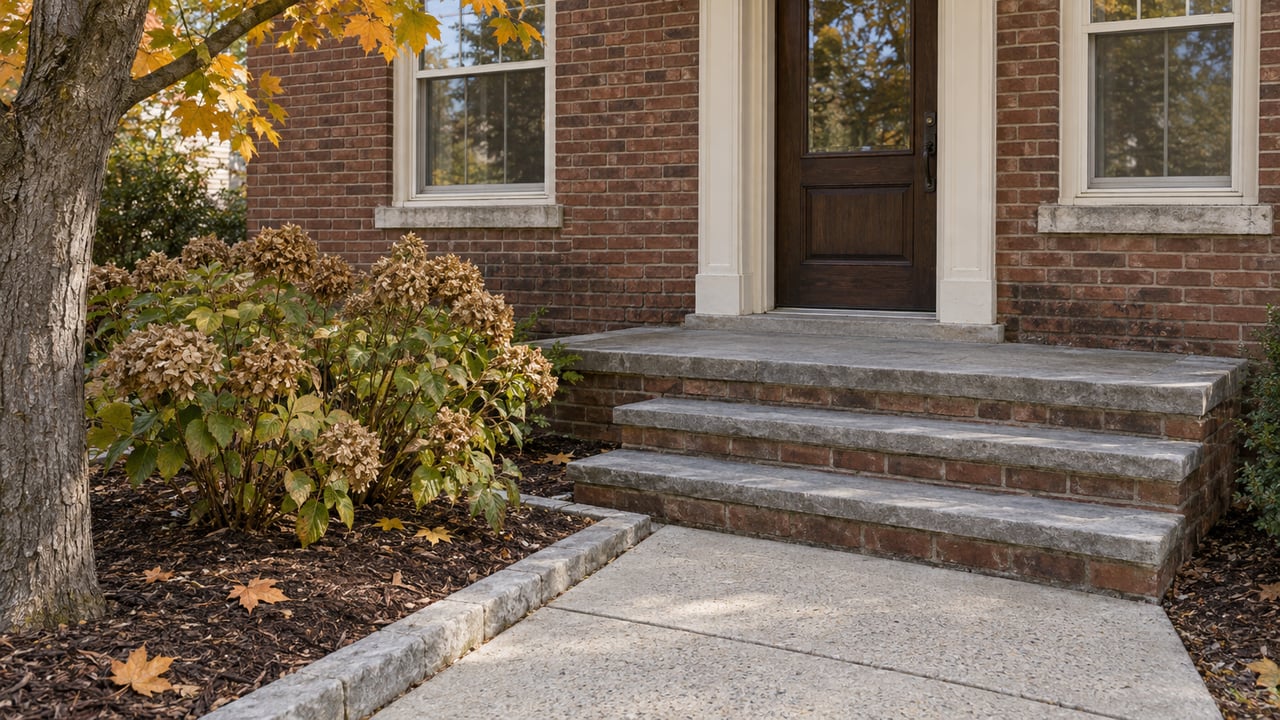
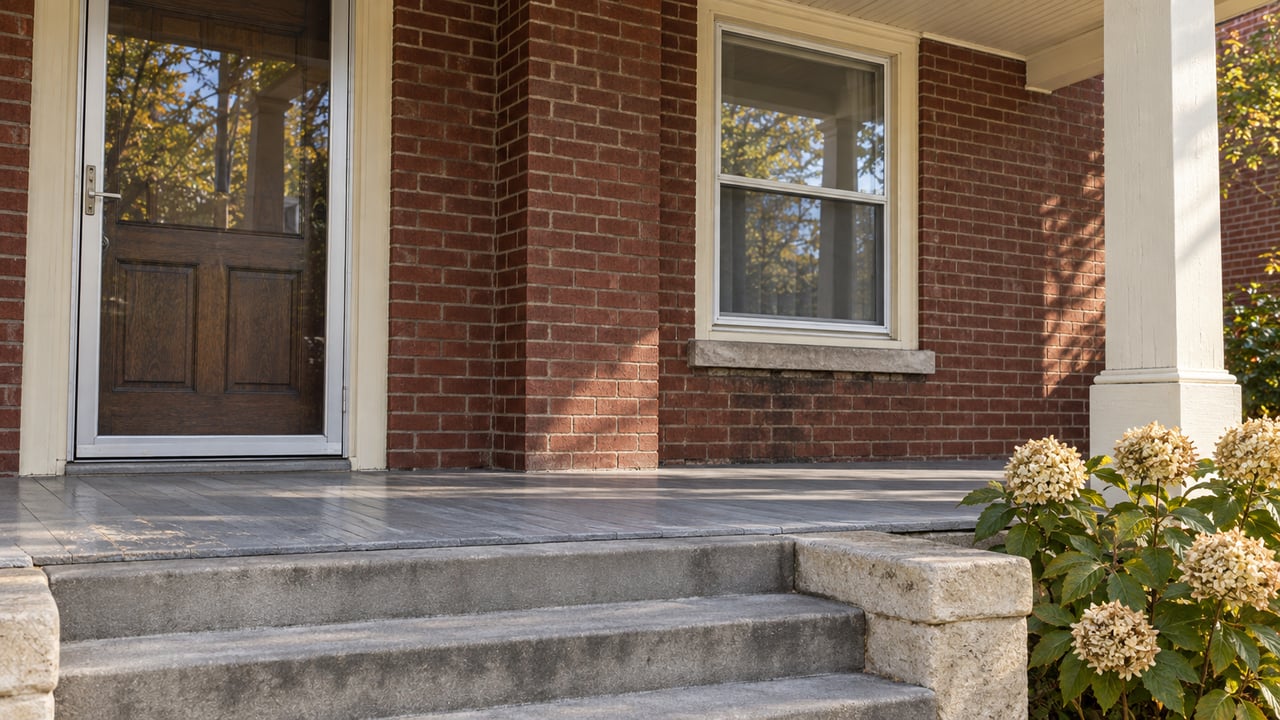
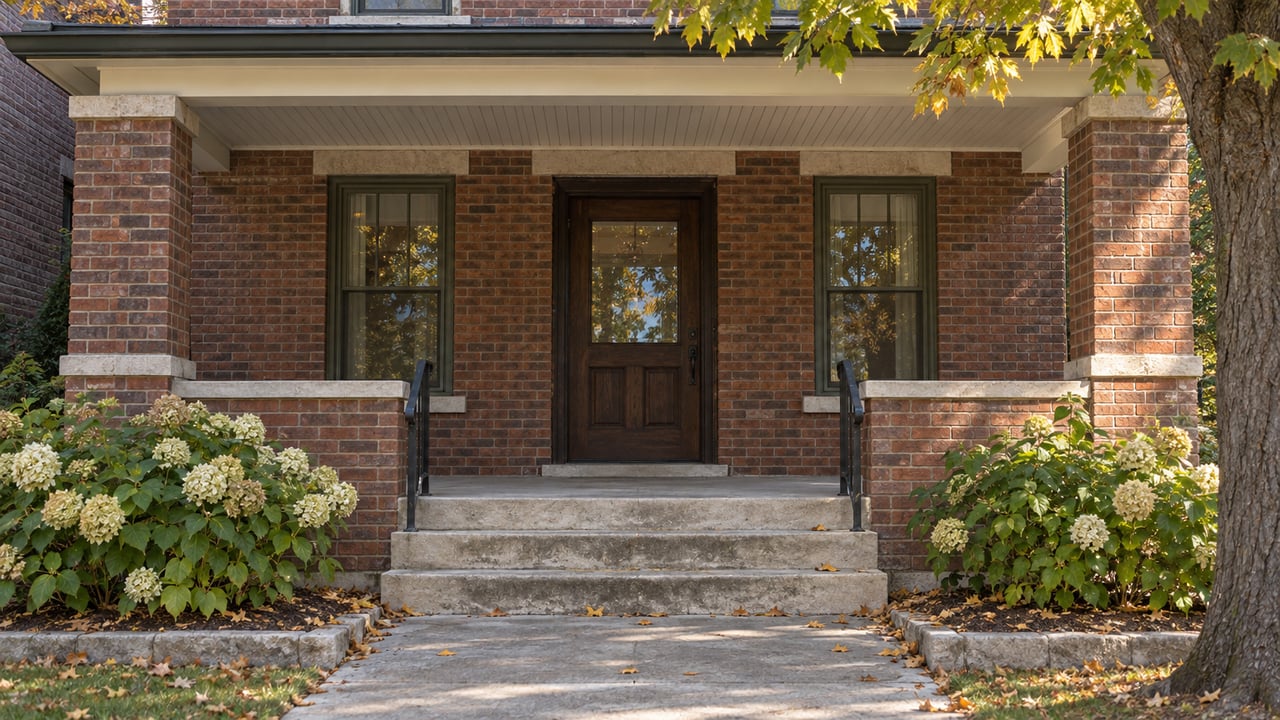
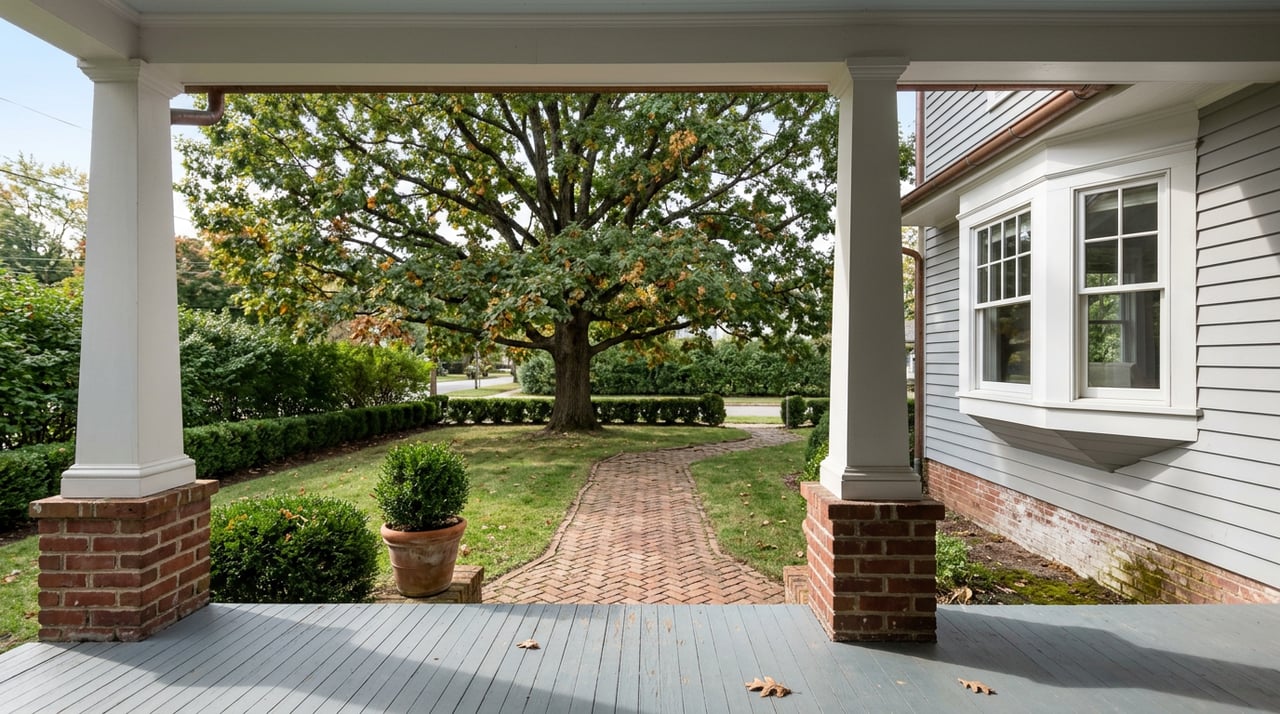
- Final staging and curb appeal touch-ups. Highlight entries, porches, and pathways.
- Set pricing and a marketing plan with your agent. Plan open houses and digital campaigns.
Listing week:
- Go live Monday to Wednesday to capture weekend showing traffic.
- Follow a consistent showing protocol and review offers on a set timeline.
Presentation and seasonal curb appeal
First impressions are powerful in Highland Park. Match your presentation to the season.
- Spring and summer: Fresh mulch, trimmed shrubs, and clean windows show well. Add simple planters and repair walkways.
- Fall: Keep leaves cleared. Warm interior lighting and neutral seasonal accents help.
- Winter: Prioritize safety and access. Shovel and salt paths, and add tasteful interior lighting for a bright feel.
If you want to complete value-adding updates without upfront cost, ask your agent about Compass Concierge. It can help fund improvements that boost market readiness and speed to market, then settle costs at closing.
How to get reliable local data
Strong timing decisions come from trusted sources. Ask your agent to pull Highland Park data directly from Northstar MLS. You can also review:
- Minnesota REALTORS monthly statistics for Twin Cities and county-level trends
- Ramsey County property records and assessment data for parcel history and public sale info
- City of Saint Paul Planning and Economic Development for neighborhood profiles and local projects
- Redfin Data Center for public visualizations of seasonality and price trends
Review the last 6 to 12 months of trends closely. If rates moved or inventory shifted, the most recent pattern matters more than a long-term average.
Tax and financial timing notes
If the property is your primary residence, you may qualify for the federal capital gains exclusion. Single filers can exclude up to 250,000 dollars of gain and married filing jointly up to 500,000 dollars if ownership and use tests are met. For details, see IRS Publication 523. Timing a sale near year-end can also affect which tax year your gains fall into. Consult a tax professional for specific advice.
Next steps
If you plan to sell in Highland Park this year, start early. Confirm neighborhood-level seasonality, watch recent inventory and rate trends, and align your prep with the best window for your goals. A tailored plan can help you list with confidence and negotiate from strength.
Ready to build your timeline and price strategy? Schedule a consultation with Christian Klempp to get a neighborhood-specific market read and a step-by-step plan.
FAQs
Is spring always best in Highland Park?
- Historically, April through June brings the most buyer traffic in Minnesota, but current mortgage rates and inventory can shift the best month. Confirm with recent neighborhood-level data before you list.
Can I still get a good price in winter?
- Yes. You may face fewer buyers, but inventory is also lower. With sharp pricing and strong presentation, winter can deliver solid outcomes with less competition.
How long does a Highland Park sale take?
- In an active season, many sales go from listing to contract in 30 to 60 days, with closings 30 to 45 days after contract. Market conditions, pricing, and condition can speed up or slow down the timeline.
Should I time my sale to school calendars?
- If your target buyer is a family, listing in spring to close in summer helps them move between school years. This approach often increases showing activity and urgency.
What local data should I track before listing?
- Focus on new listings, active inventory, pending and closed sales, days on market, list-to-sale ratio, and price per square foot by month for Highland Park. Compare to St. Paul and the metro to see unique neighborhood patterns.